
Voice Tracking vs Live Broadcasting: Choosing Your Station’s Identity
In the rapidly evolving world of radio streaming, choosing between voice tracking and live broadcasting is a pivotal decision for radio station owners. This guide unpacks the pros, cons, and costs of each option to help you find the perfect balance for your station’s unique identity.
Understanding Voice Tracking
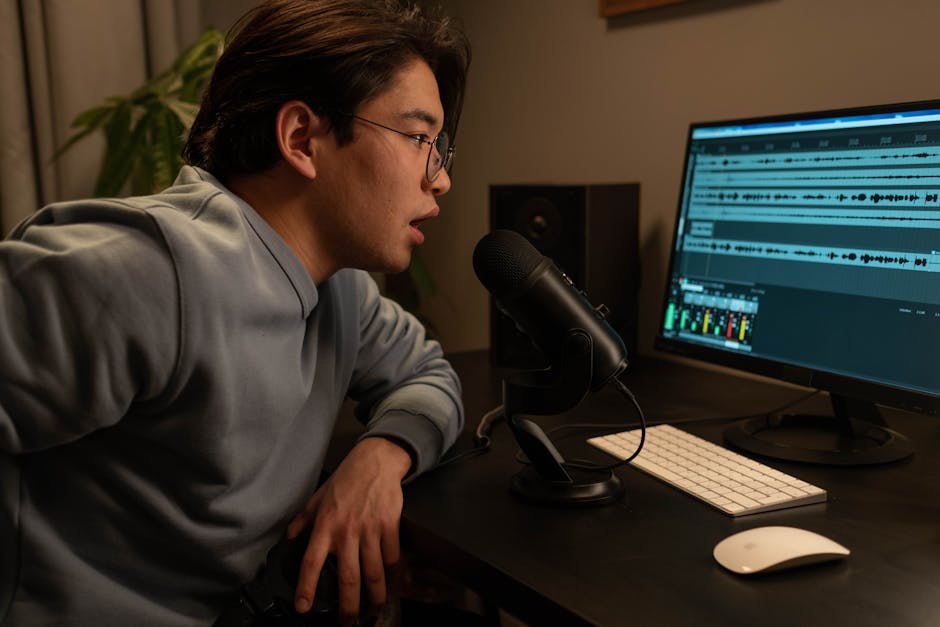
Voice tracking is a technological innovation that allows radio stations to pre-record segments, which are then seamlessly integrated into the broadcast schedule. This method leverages digital audio workstations to create a smooth listening experience.
The advantages of voice tracking are plentiful:
- Cost-effectiveness: Reduces the need for live DJs during all hours.
- Flexibility: Allows recording at convenient times.
- Consistency: Ensures a steady quality of sound and content.
“Voice tracking offers radio stations a way to stay consistent and cost-effective in a competitive market.”
However, a potential downside is the lack of real-time interaction, which can impact listener engagement.
Exploring Live Broadcasting

Live broadcasting remains the traditional heart of radio, offering dynamic and spontaneous interaction with listeners. This approach is beloved for its authenticity.
The benefits of live broadcasting include:
- Real-time interaction: Enables live listener calls and immediate feedback.
- Engagement: Creates a lively and engaging atmosphere.
“There’s nothing quite like the energy of a live broadcast, where anything can happen.”
Yet, live broadcasting presents challenges such as higher costs and rigid scheduling requirements.
Comparing Costs: Voice Tracking vs. Live Broadcasting

When it comes to financial implications, voice tracking is typically less expensive than live broadcasting due to reduced personnel needs. However, investing in quality voice tracking software is crucial for optimal results.
For scalability, voice tracking offers more flexibility, whereas live broadcasting requires more resources. Tools like Azuracast can help optimize cost efficiency by managing both live and automated programming effectively.
Audience Expectations and Engagement

Listeners have varied expectations when it comes to live and automated content. While live shows are favored for their immediacy and interaction, voice-tracked segments are appreciated for their polish and reliability.
To meet audience needs, a hybrid approach can be beneficial. Online radio platforms such as Loovacast enhance engagement by offering interactive features and seamless integration of both live and pre-recorded content.
Hybrid Approaches: The Best of Both Worlds
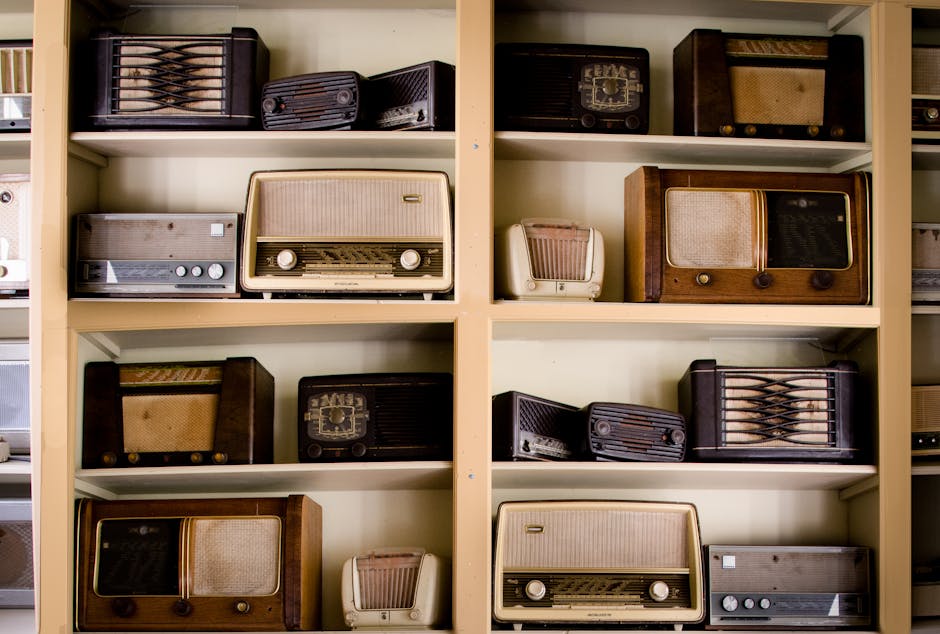
Hybrid models that blend live and voice-tracked content can offer the best of both worlds. By structuring programming to include live segments during peak hours and voice-tracked content during off-peak times, stations can effectively manage resources and maintain listener interest.
Successful hybrid stations, like those using Lumabot features, have demonstrated the power of combining these approaches to deliver a captivating radio experience.
Tools and Technologies for Success

Technology plays a pivotal role in the success of any radio station. Azuracast supports both live and automated programming, offering a robust solution for diverse broadcasting needs. Meanwhile, Loovacast streamlines operations, enhancing the overall efficiency of radio stations.
When selecting technology, consider factors like ease of use, support, and the potential for future growth. Investing in the right tools will ensure that your station remains competitive and responsive to listener demands.
Deciding between voice tracking and live broadcasting is not just about technology, but about aligning with your station’s identity and audience expectations. By understanding the nuances of each approach and exploring hybrid options, you can create a unique radio experience that resonates with listeners.
“Finding the right balance between voice tracking and live broadcasting can set your station apart in a crowded media landscape.”
Start your 14-day free Loovacast trial and explore the future of radio streaming.