Day 1‑3: Define Your Station’s Core Personality
Before you can talk about radio station branding, you have to know who you’re talking to. Start by digging into demographics: age, location, lifestyle, and even the times they commute. Pull data from Spotify playlists, local event flyers, or community forums to see which genres dominate the conversation in your target zip code.
Next, translate those numbers into a vivid listener persona. Give your ideal audience a name, a favorite coffee shop, and a weekend ritual. When you can picture “Maya, the 27‑year‑old graphic designer who streams indie folk on her way to the studio,” you’ll instantly know which tone feels authentic.
With audience in hand, craft a mission statement that feels like a promise you’d make on air. Something as simple as “We bring the city’s hidden beats to every car, couch, and coffee shop” can guide every design decision, playlist choice, and promo you produce.
Finally, write a brand‑voice guide that reads like a conversation, not a corporate memo. Include a few sample sentences, preferred slang, and a note on humor level. This guide will keep your on‑air talent and social media manager speaking with the same friendly cadence.
- Mission statement
- Target audience profile
- Unique music niche
- On‑air voice tone
Share your answer in the comments!

Day 4‑7: Craft a Visual Identity that Pops
Visuals are the first handshake your brand offers. Begin by selecting a color palette that mirrors the emotional core of your music selection. Warm amber and deep teal work well for chill‑out stations, while electric magenta and neon green can signal high‑energy EDM.
Typography matters just as much. Pair a bold sans‑serif for headlines with a clean serif for body copy to create hierarchy without sacrificing readability. Test your choices on both a tiny smartphone icon and a massive billboard to ensure scalability.
When it comes to logo design, think modular. A simple emblem—perhaps a vinyl record merged with a skyline—can be reduced to a 32 × 32 px app icon without losing recognizability. Sketch several variations, then refine the one that feels both distinctive and adaptable.
Compile everything into a style sheet. List primary and secondary colors with HEX codes, specify font families, and include spacing rules for social graphics. This living document will keep your merch, website, and promotional flyers visually consistent, reinforcing your radio station branding at every touchpoint.
Day 8‑14: Sound Branding – Jingles, Stingers, and Voice
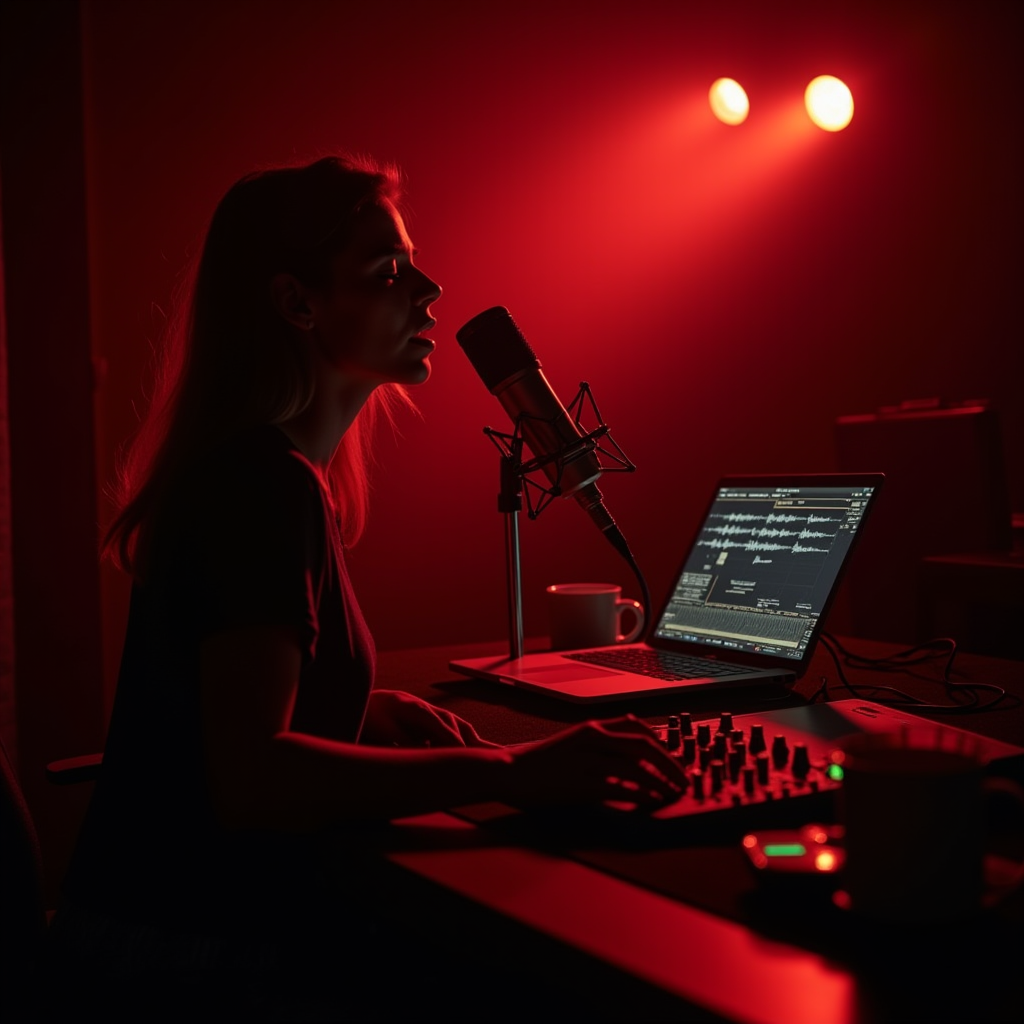
Sound is the secret sauce of radio station branding. A short, ear‑catching jingle can become as iconic as a logo. Decide on mood—upbeat pop, mellow acoustic, or gritty hip‑hop—and brief a composer with that vibe. A 15‑second hook that repeats your station’s name will stick in listeners’ heads long after the show ends.
Stingers are the micro‑moments that tie together promos, news breaks, and ad spots. Build a library of 5‑second bursts that match different segments: a smooth synth swell for evening chill, a punchy drum roll for contests, and a subtle chime for weather updates. Keep them consistent in key and tempo.
Choosing the right voice‑over talent is equally important. Audition a few local DJs or voice actors, focusing on warmth, clarity, and a cadence that mirrors your on‑air personality. Record a signature script—something like “You’re tuned to Pulse 99, the soundtrack of the city”—and use it at the start of each hour.
- ☑ Define jingle mood
- ☐ Hire composer/producer
- ☐ Review demo mixes
- ☐ Approve final mix
- ☐ Record signature voice‑over
- ☐ Choose voice talent
Day 15‑21: Listener Engagement Strategies & Radio Giveaway Ideas
Engagement is the lifeblood of any radio station branding effort. Map out weekly interactive segments that invite real‑time participation. A “Friday Request Roulette” where listeners vote via social tags, or a “Mid‑Week Shout‑Out” that reads text messages live, can turn passive listeners into active community members.
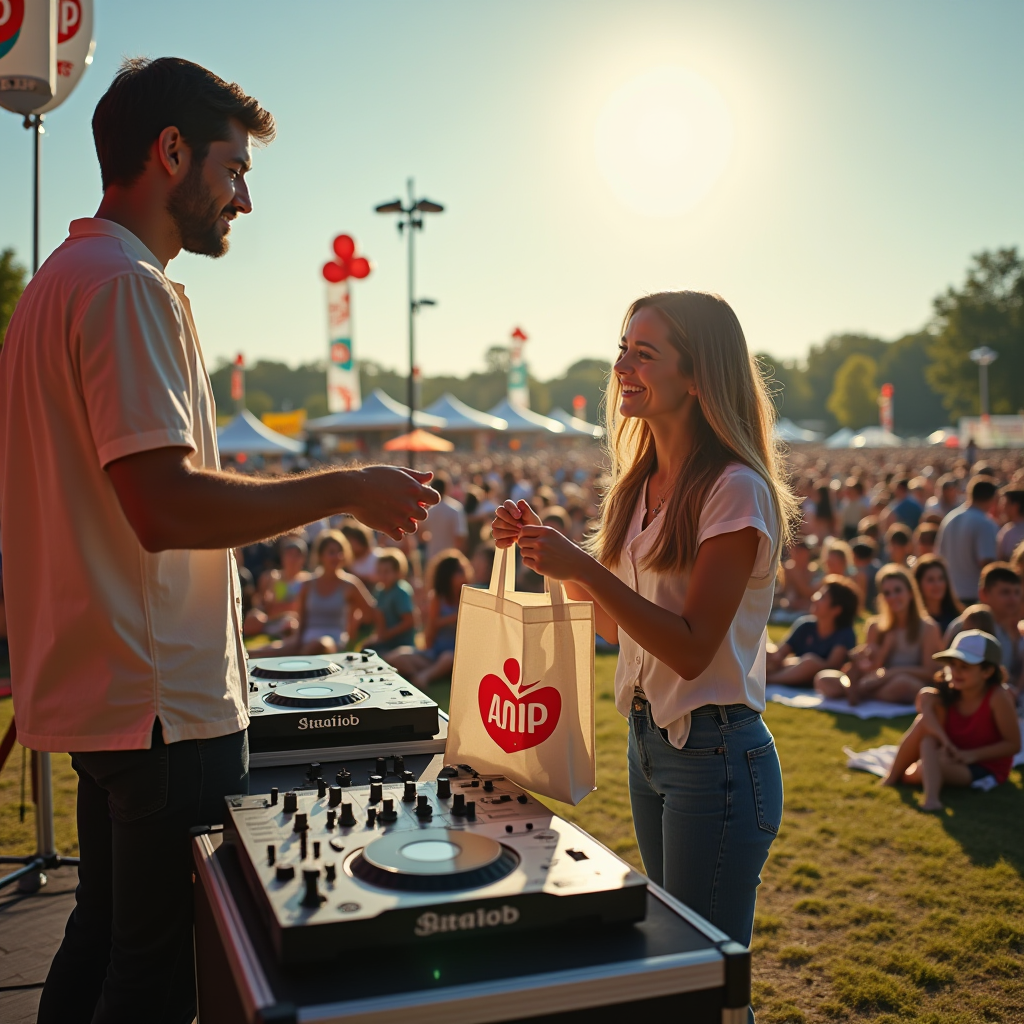
Giveaways amplify that sense of belonging. Align prizes with your station’s personality: if you’re a rock‑focused channel, partner with a local venue for concert tickets; a hip‑hop station might offer exclusive sneaker drops. The key is to keep the prize relevant—fans love swag that feels like an extension of the brand.
Set up a simple entry mechanism. Use a unique hashtag on Instagram or a short SMS keyword that routes responses to your LoovaCast dashboard. Automate confirmation messages so participants know they’re entered, and schedule reminder posts to keep the momentum high.
Day 22‑27: Consistent Content & Programming Flow
Now that your visual and audio identity are locked, focus on the day‑to‑day schedule that will keep listeners coming back. Draft a weekly grid that balances music blocks, talk segments, and promotional spots. For example, a 2‑hour “Morning Drive” mix can blend high‑energy tracks with brief news bites, while a “Late‑Night Lounge” slot leans into smoother tunes and listener stories.
Standardize your on‑air scripts with templates. Include placeholders for station name, time, and upcoming events so every host can plug in the same language without sounding robotic. A consistent script reinforces the brand voice you defined in the first three days.
Automation is your best friend. LoovaCast’s scheduler lets you embed your jingle, stinger, and voice‑over files directly into each program slot. Set up recurring blocks, then let the platform handle the precise timing—this eliminates human error and guarantees that each broadcast carries the same branding cues.
Review the schedule weekly. Look at listener drop‑off points in your analytics and tweak the flow accordingly. Small adjustments—like moving a popular segment to a higher‑traffic hour—can dramatically improve overall engagement and cement your radio station branding in the audience’s routine.
Day 28‑30: Launch, Promote, and Measure Success
The final stretch is all about getting the word out and watching the numbers roll in. Roll out a launch campaign across your social channels, email list, and partner stations. Tease the new logo, drop a short behind‑the‑scenes video of the jingle recording, and announce the first giveaway to create buzz.
Track key performance indicators. Listener count, average listening duration, and engagement rate (likes, comments, shares) give you a snapshot of how well your radio station branding resonates. Giveaway entries also serve as a proxy for excitement—high participation usually means strong brand affinity.
Collect feedback after the first week. Run a brief survey asking listeners what they love and what could improve. Use those insights to fine‑tune your voice‑over script, adjust stinger timing, or even revisit the color palette on your website.
Remember, radio station branding isn’t a one‑time project; it’s an evolving conversation with your audience. Keep iterating, stay true to the personality you built in the first three days, and let every sound, visual, and interaction speak the same language.
Ready to launch your station? Get started with LoovaCast — your radio, your way.