Step 1: Define Your Station’s Purpose & Audience
Before you even think about a logo or a jingle, you need a clear North Star. Write a concise mission statement that captures the vibe you want to deliver. Are you curating sunrise surf‑rock, late‑night lo‑fi beats, or community news for local artisans? Keep the statement under 25 words so it sticks in your mind and in your listeners’ ears.
Next, create a listener persona. Give this imagined fan a name, an age, a daily routine, and a music preference. Maybe “Mia, 28, works at a co‑working space, grabs a latte at 9 am, and streams chill‑hop while she codes.” Sketching a persona helps you decide tone, playlist length, and even the time you schedule your flagship shows.
Finally, align your on‑air tone with that persona. If your audience is “edgy college students,” your voice can be bold and fast‑paced. If they’re “community‑focused retirees,” a warm, conversational style works better. Write a short paragraph describing the tone and keep it on hand for every piece of radio station branding you create.

Step 2: Craft a Memorable Name & Tagline
Brainstorm 10–15 name ideas without judging them. Let the words flow: think about your city, your music style, a feeling you want to evoke, or a clever mash‑up. Write them on a whiteboard or a Google Doc, then narrow the list to three that are easy to say, easy to spell, and instantly give a sense of what you play.
Test each of those three names with friends, family, or a quick social poll. Ask for recall (“What did you just hear?”) and emotional fit (“Does this name feel relaxed, energetic, or nostalgic?”). The feedback will reveal hidden biases and surface the name that truly resonates.
Now write a tagline that reinforces your mission in under eight words. A good tagline is a promise: “Your soundtrack for sunrise surf” or “Feel the city pulse, every night.” Keep it short, memorable, and consistent across every platform.
- A) Word mash‑up (e.g., BeatPulse)
- B) Location‑based (e.g., Harbor FM)
- C) Mood‑driven (e.g., ChillWave)
- D) Acronym (e.g., VIBE)
Share your answer in the comments!

Step 3: Design Visual Assets – Logo, Colors & Fonts
Visual identity is the most visible part of your radio station branding. Start by picking a two‑color palette that works on both screens and merch. Use a color‑contrast tool to ensure readability on dark backgrounds, then test the pair on a mockup of a T‑shirt and a mobile app.
Sketch a simple logo that remains recognizable at 32 px—think of iconic symbols like a wave, a microphone, or a vinyl record. Keep details minimal; a solid shape with a subtle accent works best. Once you have a few concepts, digitize them in a vector program and view them at tiny sizes to confirm clarity.
Choose one primary font for headlines—something bold that matches your tone—and a complementary, easy‑to‑read font for body copy. Google Fonts offers free options like Montserrat for headlines and Open Sans for body. Pairing a strong display type with a clean sans‑serif creates balance and reinforces your overall branding.
Step 4: Build an On‑Air Sound Identity
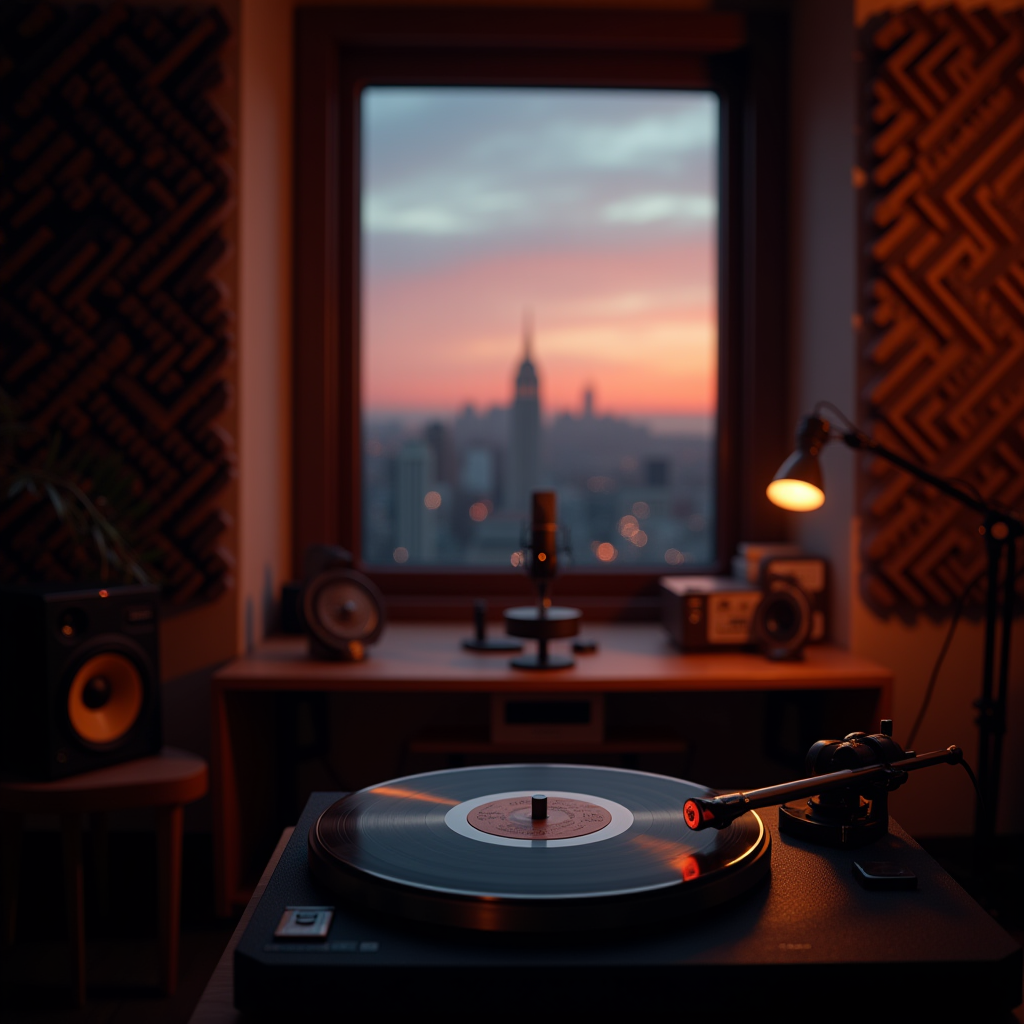
The auditory side of radio station branding is just as crucial as the visual side. First, select a voice talent whose tone matches your station’s personality. If you’re a chill‑hop outlet, a warm, low‑key voice works; for a high‑energy dance station, a bright, energetic announcer fits better.
Create a 5‑second signature sting that plays at the top of every hour. Pair it with a short jingle—no longer than 10 seconds—for promos and social videos. Keep the melody simple, use the same chord progression, and make sure the lyric (if any) mentions your station name.
Develop a library of sweeps, bumpers, and transition effects. Name each file clearly (e.g., “Bumper‑Smooth-Intro.mp3”) and store them in a cloud folder for easy access during live shows. Consistency in these audio cues builds listener familiarity and reinforces your brand each time they tune in.

Step 5: Create Your Digital Home – Website & Socials
A one‑page landing site works wonders for a new station. Place the live player front and center, followed by a concise schedule, a short “About” blurb, and a call‑to‑action button for newsletter sign‑ups. Use the same colors, fonts, and logo you designed in Step 3 to keep visual consistency.
Integrate social feed widgets so listeners can see real‑time interaction. A Twitter timeline or Instagram carousel below the player encourages fans to tag you and share moments. Make sure each widget matches your site’s color scheme to avoid visual clutter.
Set up a content calendar: aim for three posts per week—one behind‑the‑scenes clip, one poll or question, and one teaser for upcoming shows or giveaways. Use a free tool like Trello or Notion to schedule captions, graphics, and hashtags. Consistency on social media amplifies your radio station branding and helps you grow a community.

Step 6: Boost Listener Engagement with Giveaways
Giveaways are a tried‑and‑true way to turn occasional listeners into loyal fans. Brainstorm ideas that tie directly into your brand—custom enamel mugs with your logo, limited‑edition vinyl, or tickets to a local concert that fits your music style. The more personal the prize, the stronger the emotional connection.
Set clear entry rules. You might ask fans to share a specific post, call in during a live segment, or sign up for your email list. Keep the steps simple—no more than two actions—to avoid losing participants. Announce the giveaway on‑air, on the website, and across all socials, and repeat the promotion each month to keep momentum.
Finally, follow up with winners publicly. Post a photo of the prize being handed over (like the image above) and thank everyone for participating. This transparency builds trust and reinforces the community‑first mindset of your radio station branding.

Step 7: Launch Checklist & Ongoing Tuning
Launching is the moment where all the pieces of your radio station branding come together. Run through a final checklist to make sure nothing is missing. A soft launch—airing a short test segment for a few hours—lets you gather real‑time listener feedback without the pressure of a full‑scale debut.
After the soft launch, collect data: which intro sting got the most love, which social post drove the most clicks, and whether the website’s player works across browsers. Use that insight to tweak graphics, refresh jingles, or adjust your posting schedule. Treat your brand as a living organism that evolves month to month.
- ☑ Finalize station name & tagline
- ☑ Approve logo & color palette
- ☑ Record signature sting & jingle
- ☑ Publish website & embed player
- ☑ Schedule first giveaway promotion
- ☑ Test live stream for 24 hrs
- ☑ Collect first‑week listener feedback
Remember, consistency is your ally. Keep the visual, auditory, and community elements aligned, and you’ll see your audience grow organically. With LoovaCast’s reliable streaming infrastructure and our community of fellow broadcasters, you have a solid foundation to make your station stand out.
Ready to launch your station? Get started with LoovaCast — your radio, your way.