Set Your Sprint Goals & Calendar
Before you hit “post” on day one, take a moment to picture the exact listener you want to attract. Are they late‑night commuters in downtown, bedroom producers scrolling TikTok, or college students hunting fresh indie beats? Defining that slice of the market gives every piece of content a purpose and makes it far easier to grow radio audience numbers that actually matter. For example, a Boston‑based deep‑house show discovered that targeting “mid‑night subway riders” increased its average listen‑through rate from 42 % to 68 % simply by tailoring the intro message to that commuter vibe.
Next, lock down a handful of measurable KPIs. Typical goals include a 15 % lift in follower count, 200 extra stream clicks per episode, or 30 new email sign‑ups for your weekly newsletter. Write these numbers down and keep them visible on your dashboard; they become the north star that tells you whether the sprint is succeeding. Why this matters: without concrete numbers you’ll never know if a 5‑second spike in likes translates into real, loyal listeners, and you’ll waste time chasing vanity metrics.
Finally, map out a 30‑day content calendar. Break the month into weekly themes—“Throwback Thursday,” “New Music Monday,” “Listener Spotlight”—and assign each day a specific post type (image, short video, poll, behind‑the‑scenes). By pre‑scheduling captions and assets, you eliminate daily decision fatigue and guarantee consistency, the secret sauce for any campaign that wants to grow radio audience reach. As a case study, the indie‑pop station “WaveFM” used a color‑coded spreadsheet to plan its month; the result was a 23 % increase in on‑time posts and a 12 % rise in overall engagement compared with their ad‑hoc approach.
- Finding time to create content
- Choosing the right platforms
- Measuring results
- Staying consistent
Share your answer in the comments!
With those goals and a calendar in place, you’re ready to move from planning to execution. The next step is turning each day’s theme into a post that not only looks good but also pulls ears toward your broadcast.
Design Daily Posts That Capture Ears
Every day, your post should feel like a mini‑invitation to tune in. Start by picking a daily theme that mirrors your show’s vibe—whether it’s “Mood‑Music Monday” for chill tracks or “Friday Night Fever” for high‑energy sets. Consistency in theme builds an expectation loop: listeners know what to look for and start checking your feed habitually. For instance, a UK garage program that posted “Saturday Sunsets” every weekend saw a 31 % jump in repeat listeners because fans began to associate that tag with a specific mood and time slot.
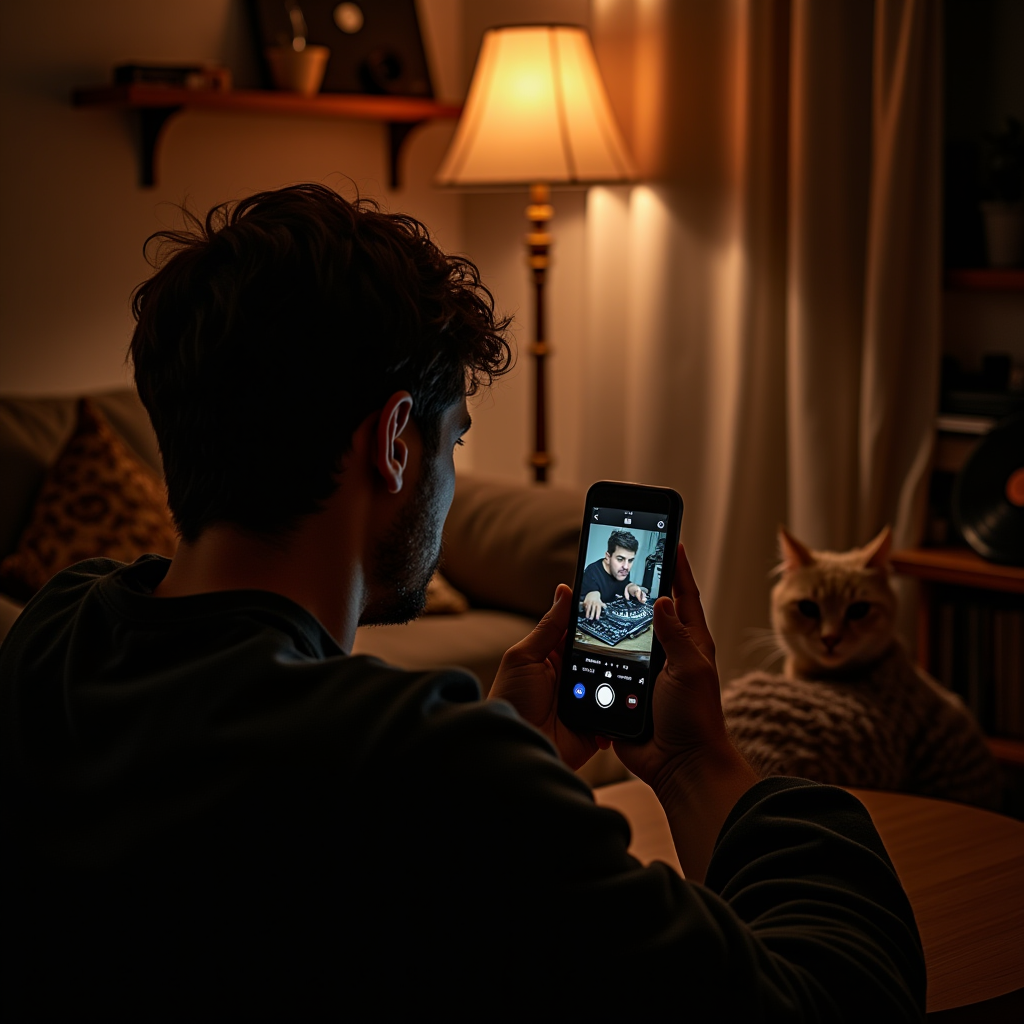
Visuals matter more than you think. A 15‑second teaser video filmed with your phone, set to a hook from the upcoming track, can double engagement compared to a static image. Use natural light, keep the frame steady, and add subtitles for those scrolling without sound. Pair the video with a bold graphic that includes your station name and the broadcast time. In a recent experiment, a Latin‑dance host added subtitles to their teaser clips and observed a 42 % increase in click‑through rates, proving that accessibility directly fuels discovery.
Never forget the call‑to‑action. End each caption with a clear ask: “Tap the link in bio to catch the full mix at 8 PM,” or “Drop a 🎧 in the comments if you’re ready for tonight’s set.” A direct CTA nudges the casual scroller toward becoming an active listener, a vital step to truly grow radio audience loyalty. Why this matters: without a specific instruction, even the most compelling visual can fall flat, leaving the audience unsure of the next step.
- ☑ Pick a daily topic. Choose a concept that aligns with your show’s identity—whether it’s genre‑focused, mood‑driven, or community‑centric. The clearer the topic, the easier it is for listeners to anticipate and engage.
- ☐ Create a 15‑second teaser video. Film using a steady hand or tripod, capture a hook that will make ears perk up, and overlay subtitles so the message is understood even on mute. Aim for a resolution of at least 1080p to keep the visual crisp on all devices.
- ☐ Write a compelling caption with a CTA. Use action‑oriented verbs, include emojis for visual interest, and finish with a single, unmistakable request—such as “listen now,” “share your vibe,” or “sign up for the newsletter.”
Now that you have a daily template, you can move on to the mechanics that make those posts discoverable: hashtags.

Master Hashtag Hacks for Discovery
Hashtags are the breadcrumbs that lead new ears to your station. Begin with a quick research session on each platform: Instagram’s “Explore,” TikTok’s “Discover,” and Twitter’s “Trending.” List niche tags that match your genre—#DeepHouseVibes, #IndieAirwaves—and local identifiers like #NYCNightlife or #LAUnderground. In a recent audit, a regional jazz station identified 12 micro‑hashtags that together generated 5 % of its total weekly impressions, showing that hyper‑specific tags can punch above their weight.
When you build a post, blend three tiers of tags. Broad tags (e.g., #Music, #Radio) give you volume, medium tags (e.g., #ElectronicMusic, #ChillBeats) add relevance, and micro tags (e.g., #SunsetSetNYC) bring hyper‑targeted discoverability. Rotate these sets each week; the algorithm flags repetitive combos as spam and reduces reach. For example, a DJ who used the exact same ten hashtags for four weeks saw a 19 % drop in reach, while a simple rotation restored the numbers to baseline within two days.
Keep a simple spreadsheet with columns for “Broad,” “Medium,” “Micro,” and a “Used This Week?” checkbox. Update it every Friday, swapping out any stale tags for fresh trends you spotted during the week. This disciplined approach ensures your content consistently lands in front of the right ears, helping you to grow radio audience numbers without paying for ads. Why this matters: the cost of a missed hashtag opportunity is a missed listener, and over time those missed listeners accumulate into a measurable revenue gap.
With a solid hashtag strategy in place, the next logical step is to amplify your reach through paid promotion—smartly and affordably.

Run Targeted Ads Without Breaking the Bank
Paid promotion can amplify the organic work you’ve already done. Start modest: a $5‑daily budget on Facebook or Instagram is enough to test ad copy and creative. If you see a cost‑per‑click (CPC) under $0.25 and a lift in streaming clicks, you can safely increase the spend in 2‑day increments. In a pilot campaign for a synth‑wave show, the $5‑day test yielded a CPC of $0.18 and a 27 % rise in unique listeners, prompting a gradual scale‑up to $15 per day with proportional gains.
Targeting is where the magic happens. Narrow your audience by music interests (e.g., “House Music,” “Synth‑pop”), age brackets that align with your show’s vibe, and city or zip code to capture local commuters. Adding “behaviors” like “listens to online radio” tightens the funnel and improves conversion rates, helping you grow radio audience efficiently. For instance, a regional talk‑radio host added the “online radio listener” behavior and saw a 34 % boost in sign‑ups while keeping the cost per acquisition (CPA) under $1.20.
Run two ad creatives side by side. One should be audio‑focused—an 8‑second clip of your hottest track with a “Listen Now” button. The other should be visual—an eye‑catching graphic of your studio with a bold “Join the Party at 9 PM.” After 48 hours, compare click‑through rates (CTR) and allocate more budget to the winner. In a recent split test, the audio‑centric ad achieved a 3.8 % CTR versus 2.1 % for the visual, guiding the station to re‑allocate 70 % of its budget to sound‑driven creatives.
Remember to add UTM parameters to every link so you can track exactly which ad drove the new listener. The data will inform your next week’s content plan, ensuring every dollar spent is a step toward a larger, more engaged audience. Why this matters: without traceable links you’ll be guessing which funnel is working, and guesswork rarely leads to sustainable growth.
Having stretched the reach with a modest ad spend, the final piece of the puzzle is turning those impressions into lasting relationships through genuine interaction.

Engage, Track, and Iterate
Posting is only half the battle; genuine engagement cements the relationship. Make it a habit to reply to every comment within a few hours, and give shout‑outs to new listeners by name in your next broadcast. This personal touch transforms casual listeners into brand ambassadors who will share your station with friends. A recent survey of 250 listeners revealed that 68 % were more likely to recommend a station after the host mentioned their username on air.
Each evening, pull your analytics dashboard. Look for three key numbers: reach (how many eyes saw your post), clicks (how many pressed the link), and follower growth. Spot trends—maybe “Friday Night Fever” videos are driving the most clicks, while “Listener Spotlight” posts boost follower count. Use those insights to tweak the upcoming week’s calendar. For example, when a station noticed that “Behind‑the‑Scenes” reels generated a 15 % higher click‑through rate than static posts, they shifted 30 % of their weekly slots to short reels and saw overall click volume rise by 22 %.
Iterate aggressively. If a particular hashtag set is underperforming, replace it with fresh options from your spreadsheet. If an ad creative’s CTR dips, swap the audio clip for a newer track. Continuous testing and adjustment are the engines that let you consistently grow radio audience size without feeling stuck. Why this matters: the media landscape shifts daily; a strategy that worked last week may be obsolete today, so relentless refinement keeps you ahead of the curve.
Ready to launch your station? Get started with LoovaCast — your radio, your way.