
The Vision: From Sunday Sermons to Global Airwaves
Pastor Jane had a simple yet powerful dream: to let the town’s message travel beyond the sanctuary walls. She imagined a Sunday sermon that could echo in a farmer’s kitchen, a teenager’s bedroom, or a former member’s new city apartment. That vision sparked the first conversations about an online radio station.
The congregation quickly saw the potential. Many members had moved away over the years, yet they still longed for the familiar hymns and heartfelt prayers of home. An online broadcast felt like a bridge back to the community they missed.
During a series of brainstorming sessions, the idea of a LoovaCast station emerged. The team loved the platform’s reputation for being user‑friendly and affordable, which meant they could focus on content instead of wrestling with tech. The excitement in the basement grew louder with each sketch on Jane’s laptop.
- Community outreach
- Expanding audience
- Passion for audio
- Other
Share your answer in the comments!
This early enthusiasm laid the groundwork for what would become a story of radio station success. By keeping the vision rooted in community, the team ensured that every technical decision would serve a deeper purpose.
Setting Up the LoovaCast Station
Choosing LoovaCast was almost inevitable. The platform’s drag‑and‑drop scheduler, built‑in analytics, and transparent pricing fit the church’s modest budget perfectly. The team signed up for the Starter plan, which offered enough bandwidth for a growing local audience.
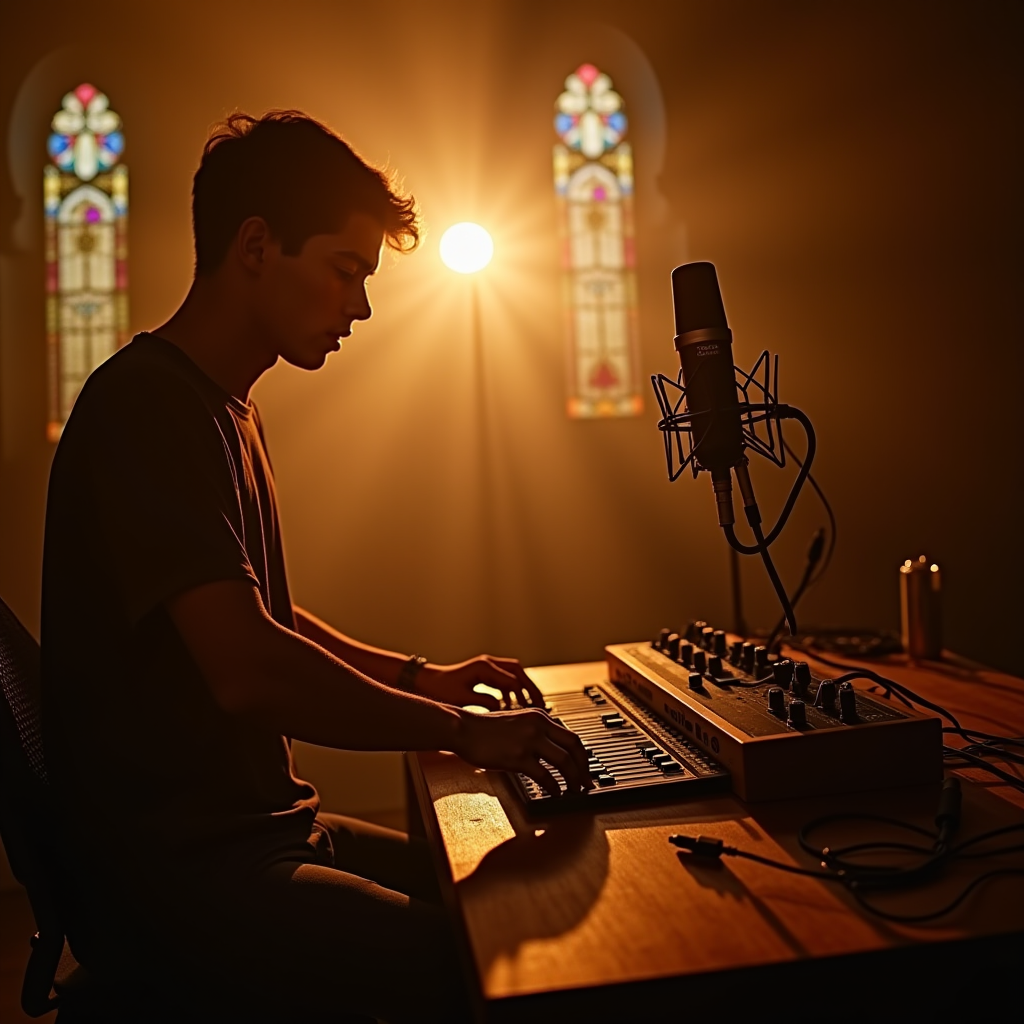
The basement transformation began with a vintage Shure SM7B microphone—renowned for its warm tone and durability. Paired with a compact mixer and a few sound‑proofing panels, the space quickly resembled a professional studio rather than a storage room.
Before going live, the volunteers ran a test stream to verify that the internet connection could handle a steady 128 kbps bitrate. They discovered a brief dropout during peak evening usage, which led to a quick fix: upgrading the router and setting QoS rules to prioritize the stream.
With the hardware in place and a reliable internet path secured, the station was ready for its first broadcast. The careful setup paid off, giving the team confidence that their radio station success would be built on a solid technical foundation.

Crafting Content That Resonates
Content is the heart of any radio station success story, and the church’s team approached it with a community‑first mindset. They mixed weekly sermons with local folk music, farmer interviews, and youth‑led podcasts, creating a tapestry that reflected the town’s rhythm.
Volunteers were invited to host segments, which fostered a sense of ownership. When a high‑school senior took charge of the “Harvest Hour,” listeners tuned in not just for the music but to hear the voice of the next generation.
The team also introduced themed weeks that aligned with town events—like the annual county fair or the harvest festival. These special editions boosted engagement and gave listeners a reason to mark their calendars.
- ☑ Define your core audience
- ☐ Draft a weekly content calendar
- ☐ Recruit at least two regular hosts
- ☐ Record a pilot episode
- ☐ Gather feedback before launch
By iterating on feedback after each pilot, the team refined their format, ensuring the programming always felt fresh yet familiar. This disciplined approach turned their modest station into a genuine voice for the community, a key ingredient of radio station success.
Launching the Weekly Broadcast
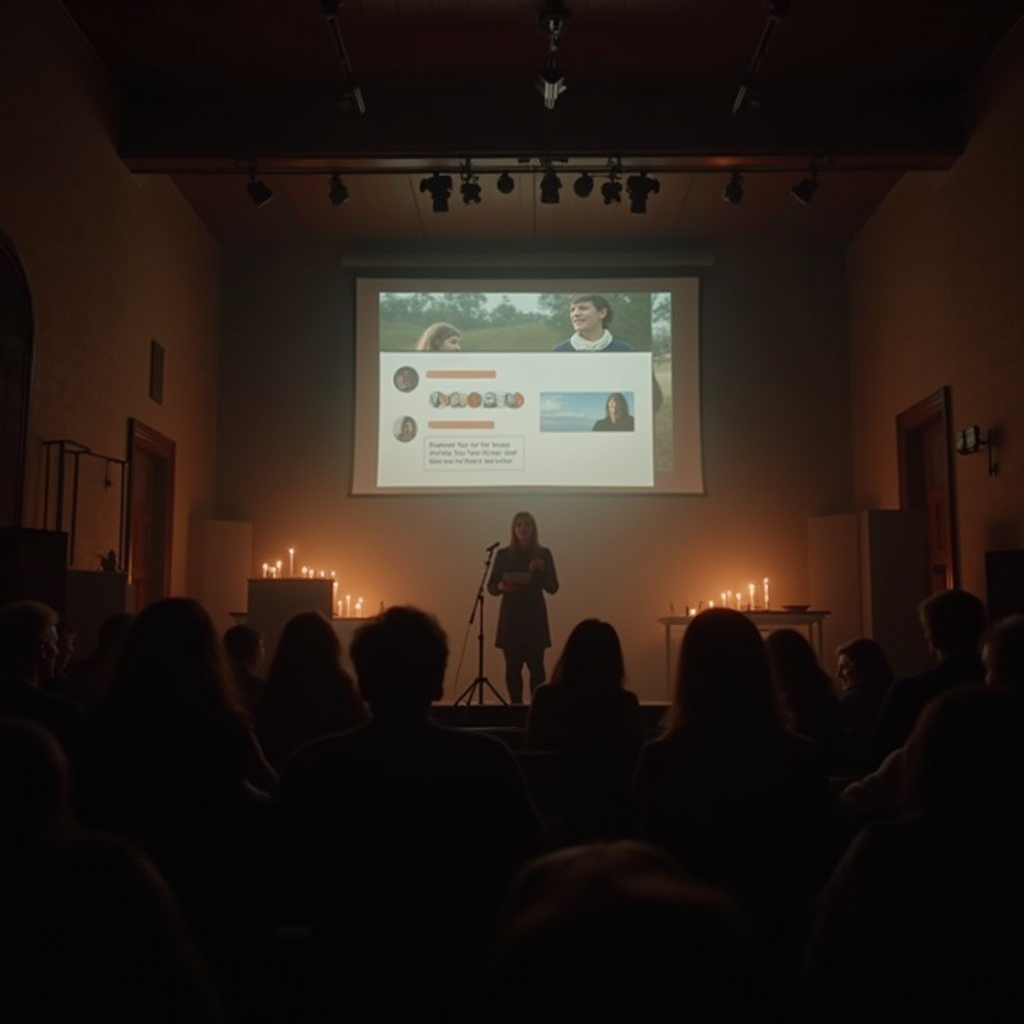
The launch strategy hinged on hyper‑local promotion. Church bulletins highlighted the upcoming show, while volunteers posted flyers at the local grocery and shared teasers on the congregation’s Facebook page. The buzz was palpable.
On launch night, Pastor Jane opened with a live‑call segment, inviting listeners to ask questions in real time. The chat window filled quickly, and the first call came from a former member now living three states away. Hearing that voice on the air confirmed the power of the platform.
Immediately after the broadcast, the team sent out a short survey via email and posted a comment box on the LoovaCast dashboard. The feedback loop helped them tweak the intro music, adjust segment lengths, and prioritize the most requested topics.
This responsive launch not only generated excitement but also provided data that guided future programming. Each listener’s reaction became a building block toward sustained radio station success.
Growth to 5,000 Listeners
Within three months, the station’s analytics revealed a clear pattern: peak listening occurred during the early evening, just after dinner. Armed with this insight, the team shifted the flagship sermon to 7 p.m., capturing the largest audience possible.
Collaboration with the local high school radio club proved a game‑changer. The students promoted the LoovaCast feed during their own school broadcasts, and in return, the church featured a weekly “Student Spotlight” segment. This cross‑promotion doubled the listener base in just six weeks.
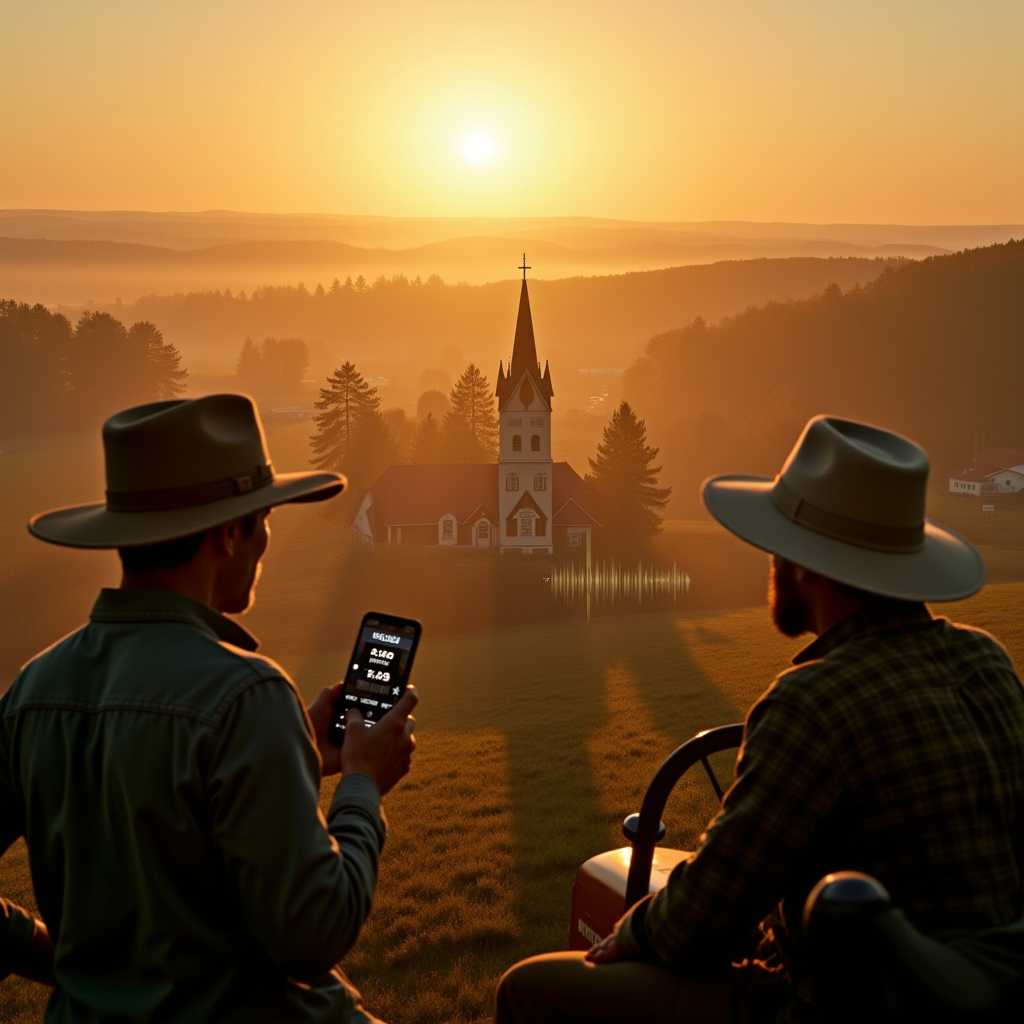
The weekly “Listener Spotlight” segment invited fans to share personal stories, which then spread organically through word‑of‑mouth. One farmer’s heartfelt testimony went viral on a regional Facebook group, pulling in dozens of new listeners from neighboring counties.
By consistently reviewing LoovaCast’s built‑in analytics—such as geographic heat maps and average session duration—the team fine‑tuned content to match audience preferences. The result? A steady climb to over 5,000 weekly listeners, a milestone that solidified their radio station success.

Key Takeaways for Your Own Station
First, start small. You don’t need a massive studio to achieve radio station success; a modest basement and a reliable microphone can be enough if you focus on community relevance.
Second, let authenticity drive growth. Listeners can sense when content is genuine. By featuring local voices, you create a magnetic pull that keeps people coming back.
Third, leverage LoovaCast’s built‑in tools. The analytics dashboard, easy scheduling, and reliable streaming infrastructure let you spend more time creating content and less time troubleshooting.
Finally, keep iterating. Use feedback loops, adjust your programming, celebrate each milestone—no matter how small. Radio station success is a marathon, not a sprint, and every listener’s comment is a step forward.
Ready to launch your station? Get started with LoovaCast — your radio, your way.