Podcasting in 2026 is no longer just about audio. The entire ecosystem has transformed into a multi-format content system where video, search, AI workflows, and audience ownership determine who grows and who gets left behind.
The Old Model Is Dead
For years, the playbook was simple: record audio, upload to a host, submit to Apple Podcasts and Spotify, and hope for the best. That model worked in 2019. In 2026, it is a liability.
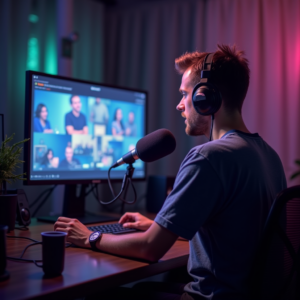
Edison Research Infinite Dial 2025 reveals a stunning shift: 70% of Americans age 12+ have listened to a podcast, but even more telling is that 51% have watched a podcast. The medium has expanded beyond audio-only consumption, and the platforms have noticed.
YouTube Is Now the #1 Podcast Discovery Engine
Forget what you thought you knew about podcast discovery. According to Edison, 33% of US weekly podcast listeners use YouTube most often—beating Spotify at 26% and Apple Podcasts at 14%. YouTube announced over 1 billion monthly active viewers of podcast content in early 2025.
This is not a fringe behavior. This is the new default. If your distribution strategy starts and ends with RSS feeds, you are actively limiting your reach.
Three Lanes of Discovery
Modern podcast discovery happens in three distinct lanes, and successful creators optimize for all three:
- Search-led discovery: YouTube search, Spotify search, Apple Search, and Google SEO. Listeners are actively looking for topics, not just browsing categories.
- Feed-led sampling: Short-form clips on TikTok, Instagram Reels, and LinkedIn serve as the first touchpoint. The audience decides whether to subscribe based on 15-60 second previews.
- Binge-led retention: Long-form video on YouTube and consistent audio feeds drive binge behavior. Episode structure and narrative consistency matter more than ever.
AI Is Not the Future—It Is the Present
AI in podcasting has moved from experimental to essential. The competitive advantage in 2026 comes from using AI to eliminate repetitive work without sacrificing creative control.
Practical AI applications that work:
- Transcription and searchable assets: Transcripts support on-site SEO, episode summaries, timestamped navigation, and quote extraction for clips.
- Editing acceleration: AI tools now handle filler word removal, loudness consistency, and generate initial cuts for human review.
- Content multiplication: Repurpose one episode into clip captions, blog post outlines, email drafts, and social post variants—all from a single recording.
The creators who thrive will be those who automate intelligently, not carelessly. The gap between shows that use AI as a force multiplier and those that ignore it will continue to widen.
Monetization Is No Longer Just About Ads
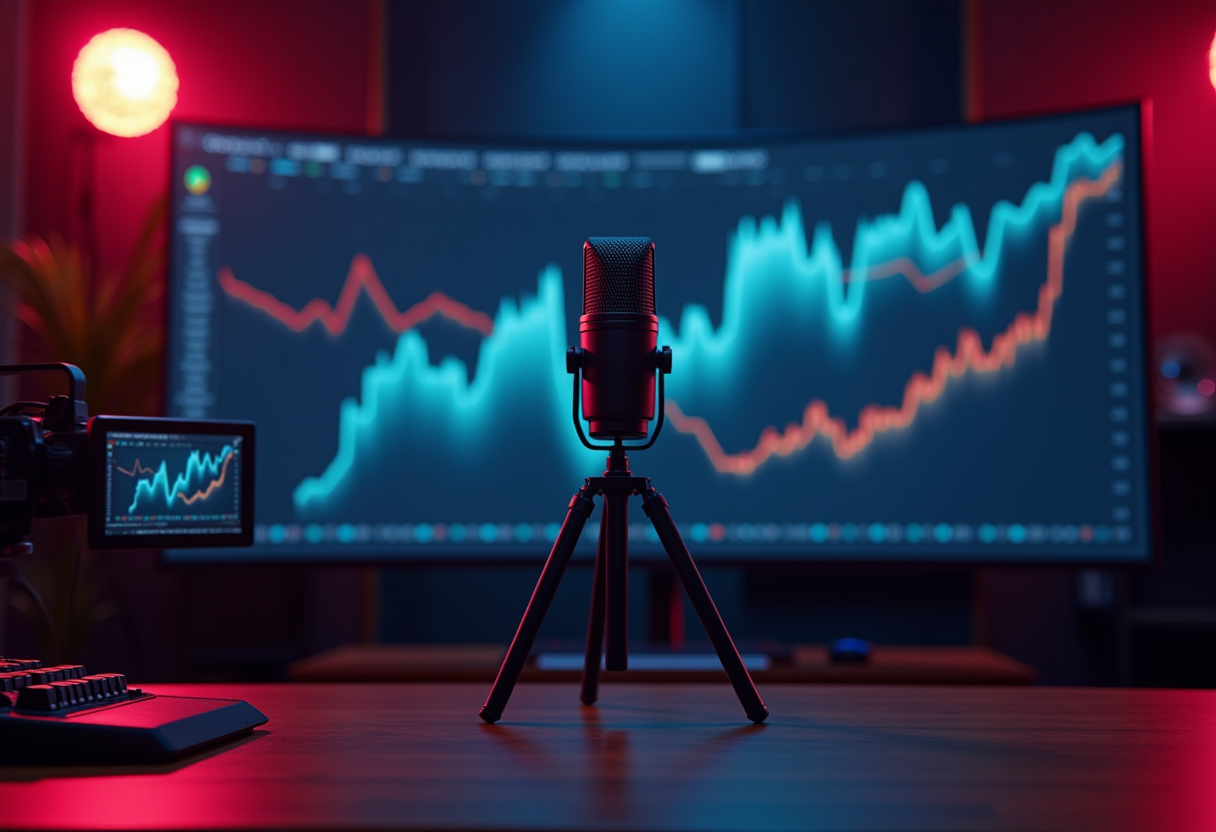
The IAB and PwC project podcast ad revenue to reach nearly $2.6 billion by 2026, but the more significant story is the diversification of revenue streams.
What is actually working:
- Subscriptions and premium content: Apple and Spotify both now offer creator subscription models with revenue sharing. Premium video, bonus episodes, and ad-free tiers are becoming standard.
- Services, products, and community: For many creators, the most reliable revenue comes from paid memberships, courses, consulting, events, and affiliate partnerships—not ads.
- Host-read credibility: Integrated sponsorships that feel authentic continue to outperform programmatic inventory. Measurement and attribution are improving, giving sponsors more confidence.
The future of podcasting is not about media consumption alone. It is about building sustainable creator businesses that do not depend on any single platform or revenue stream.
Video Is Not Optional
If you have been holding off on video, the data is clear: 51% of Americans have watched a podcast. YouTube is the discovery leader. Video is no longer a niche experiment—it is an expected format for interview and personality-driven shows.
This does not mean you need a multi-camera studio. It means the market rewards:
- Clear visual identity and consistent branding
- Readable captions and accessible formatting
- Consistent clip templates across episodes
- Video-friendly episode structure
In 2026, clarity and consistency will outperform expensive visuals every time.
Own Your Audience or Lose Them
Platforms are valuable distribution partners, but they can change terms, algorithms, and monetization models overnight. Chartable discontinuation forced many creators to rebuild their measurement stacks with no warning.
A sustainable creator strategy combines platform reach with direct audience ownership:
- A website you control with episode pages, transcripts, and email capture
- A newsletter that builds direct access to listeners
- Community channels if your format supports engagement
The Action Steps
Here is what you should do this month, not next year:
- Treat your show as a multi-platform product. Keep audio strong via RSS, build a YouTube presence, and publish episode pages with transcripts on your site.
- Upgrade packaging before production. Clear titles, structured show notes, consistent thumbnails, and chapters matter more than new equipment.
- Build a repurposing habit. Aim for 3 clips per episode and 1 written asset per episode. Make it repeatable.
- Add one owned channel. If you do not have an email list, build one. Offer a lead magnet like a best-episodes guide.
- Use AI to remove repetitive work. Start with transcription and first-draft show notes. Add more advanced workflows once your quality control is consistent.
Podcasting in 2026 is not about choosing between audio and video, between organic and paid, between creation and distribution. It is about building a system where every piece of content works harder than the last.
The creators who treat their show as a content system will be the ones who grow. Everyone else is just hoping for the best.