The Ceiling of On-Demand: Why a Top Podcast Needed More
We’ve all been there. You’ve spent years building a podcast, meticulously editing out every “um” and “ah,” and growing a loyal listener base. But eventually, many creators hit what we call the “on-demand ceiling.” It’s that feeling that while your audience loves your content, the relationship is one-sided. You release an episode, they listen to it three days later, and you find out what they thought via a comment or an email a week after the fact.
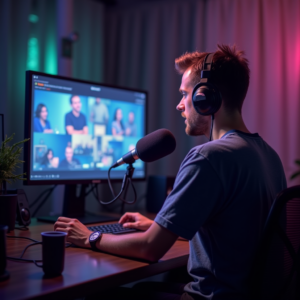
For the subject of our case study—a high-growth podcast focusing on urban culture and tech—this gap was becoming a problem. They had the numbers, but they lacked the energy. The traditional “record-edit-release” cycle is great for polish, but it kills spontaneity. The creator felt like they were producing a museum exhibit rather than leading a conversation. They wanted a way to connect with their community in real-time, creating a “watercooler” effect where everyone is hearing the same thing at the exact same moment.
The desire for radio station success often starts with this craving for immediacy. When you move from a podcast to a live stream, you shift from being a content producer to being a broadcaster. There is a psychological difference between someone clicking “Play” on a file and someone “Tuning In” to a frequency. One is a transaction; the other is an experience.
Our case study subject realized that their loyal followers weren’t just looking for information—they were looking for a destination. They didn’t just want an episode on “The Future of AI”; they wanted to be part of a live debate about it, with the ability to influence the direction of the show as it happened. This is where the transition to LoovaCast becomes a game-changer.

Mapping the Migration: From Episodes to Airtime
Moving from a podcast to a live station isn’t as simple as just hitting a “Go Live” button. If you do that, you’re just a streamer, not a station. To achieve true radio station success, you need a strategic architecture. We worked with the creator to map out a transition that didn’t alienate their existing podcast listeners but instead gave them a reason to migrate their habits.
The first step was moving from an episodic mindset to a programming grid. In the podcast world, you think in terms of “The Next Episode.” In the radio world, you think in terms of “The Morning Slot,” “The Mid-day Mix,” and “The Evening Wind-down.” We helped the creator build a 7-day recurring schedule. This creates a habit for the listener. They know that every Tuesday at 10 AM, they can find a specific type of energy on the station.
A major concern was the existing archive. They had hundreds of hours of gold-standard content. Instead of letting those episodes gather digital dust, we integrated them as “pillar content.” By scheduling these archived episodes as “Classic Replays” during low-traffic hours, the station remained active 24/7 without requiring the creator to be behind the mic every single second. This ensured a continuous stream of value, which is essential for retaining new listeners who stumble upon the station.
We also focused heavily on the technical migration. You don’t want to lose your SEO rankings or confuse your audience. We recommended a hybrid approach: keep the podcast feed for the “polished” versions of the shows, but use the LoovaCast station as the “Live Hub.” This way, the podcast acts as a discovery tool (the top of the funnel), and the radio station acts as the community center (the heart of the brand).
- ☑ Audit your top 10 best-performing podcast episodes to use as pillar content.
- ☐ Map out a 7-day recurring schedule with consistent time slots.
- ☐ Create ‘live-only’ segments (like Q&As or breaking news) to incentivize tuning in.
- ☐ Set up your LoovaCast stream keys and test your latency.
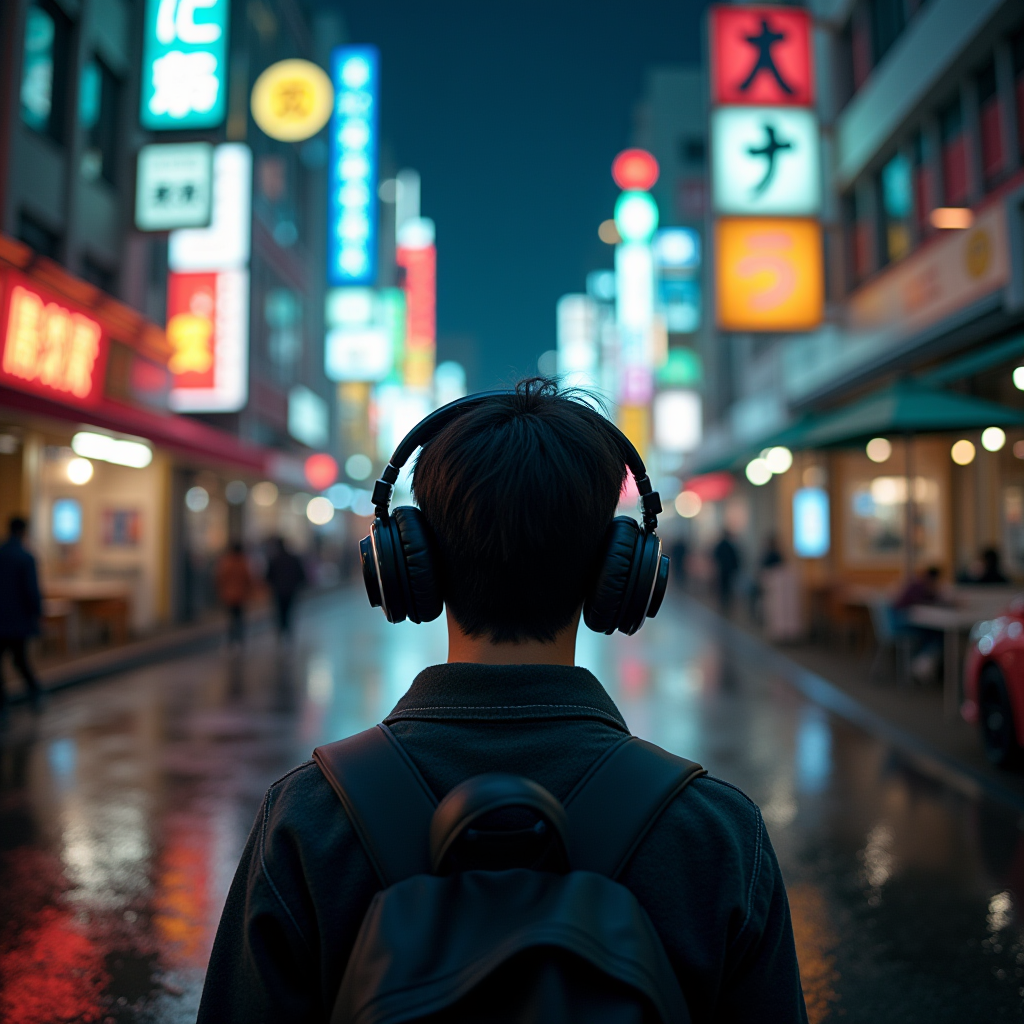
The LoovaCast Edge: Turning a Stream into a Station
There is a massive difference between “streaming a show” and “running a station.” A stream is a linear event; a station is a brand identity. To achieve sustainable radio station success, the creator needed tools that allowed for continuity. This is where the LoovaCast toolkit comes into play, specifically the AutoDJ and advanced scheduling features.
The AutoDJ is the unsung hero of any professional broadcast. It allows the creator to curate a seamless flow of music, jingles, and promos that fill the gaps between live segments. Instead of dead air or a generic playlist, the station felt like a professional broadcast. We showed the creator how to use “stings”—short, punchy audio clips—to transition from a high-energy music set into a deep-dive discussion. This creates a professional sonic brand that tells the listener, “You are listening to a professional operation, not just some guy in his bedroom.”
Another critical element was the use of listener analytics. In podcasting, you see downloads, but you don’t see behavior. With LoovaCast, the creator could see exactly when listeners were dropping off and when they were peaking. They discovered that their “Quick Tips” segments in the afternoon had a much higher retention rate than their long-form interviews. This data allowed them to pivot their content strategy in real-time, optimizing the schedule for maximum engagement.
Finally, we tackled monetization. Podcast sponsorships are usually “baked-in” or pre-roll, meaning the money is made before the listener even hears the content. On the live airwaves, the creator experimented with “Live Shoutouts” and “Sponsored Segments.” Because the interaction was real-time, sponsors felt more integrated into the community. The ability to say, “This hour is brought to you by [Brand], and we’re actually chatting with their CEO right now,” adds a layer of authenticity that a pre-recorded ad simply cannot match.
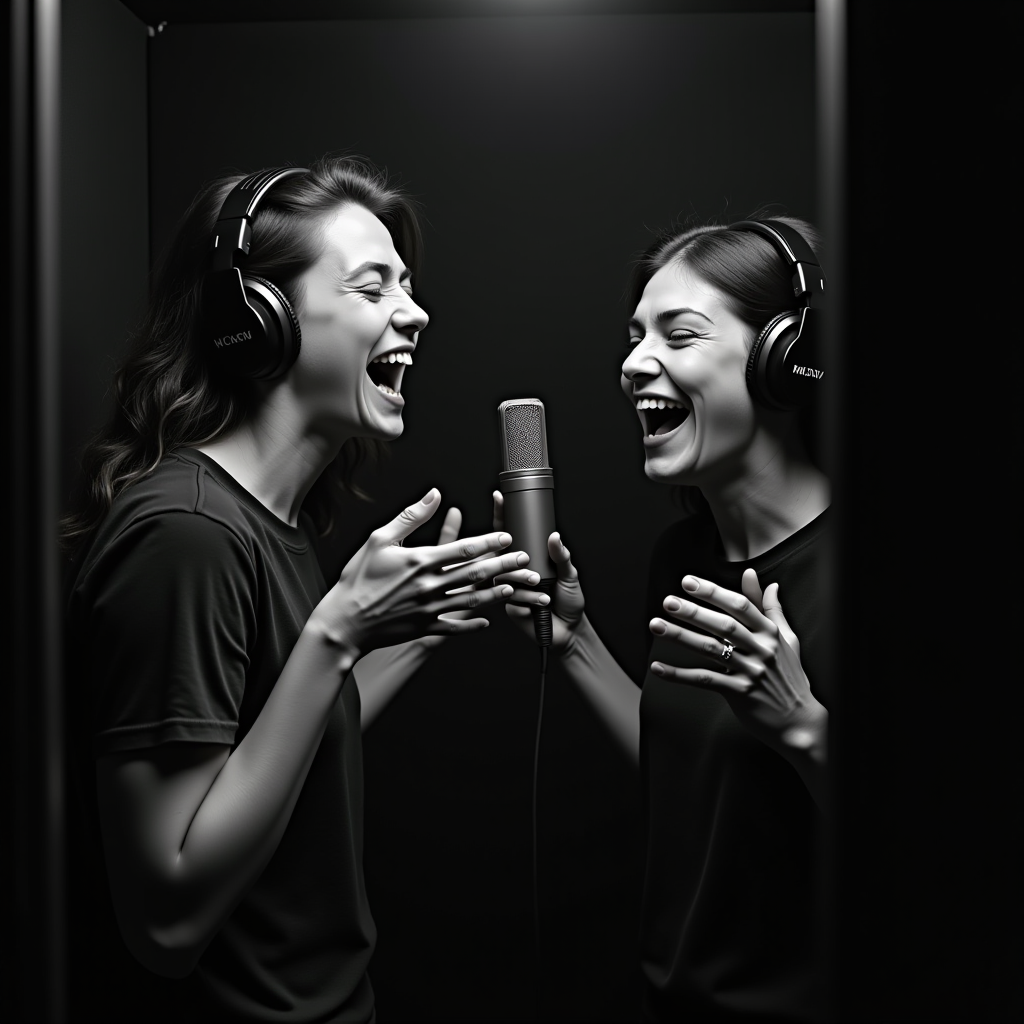
The Psychology of Live: Engaging a Real-Time Audience
The most profound change we observed in this case study wasn’t technical—it was psychological. Podcasting is a passive experience. The listener is in control; they can pause, rewind, or skip. Live radio, however, creates a sense of urgency. There is a “fear of missing out” (FOMO) that drives listeners to tune in at a specific time. This urgency is the secret sauce of radio station success.
We encouraged the creator to lean into the “rawness” of live broadcasting. In their podcasts, every sentence was polished. On LoovaCast, we suggested they embrace the mistakes. A laugh that goes on too long, a stumble over a word, or a spontaneous tangent—these are the things that make a broadcaster human. The audience reacted positively to this shift. The tone moved from “expert delivering a lecture” to “friend having a conversation.”
The introduction of live call-ins and real-time shoutouts completely transformed the listener retention metrics. When a listener hears their name mentioned on air, they aren’t just a consumer anymore; they are a participant. This creates a powerful emotional bond. The case study subject started a “Listener’s Hour” where they took live requests and questions. The result? A spike in concurrent listeners that far exceeded their average podcast download rate for a single episode.
This “active” listening experience turns your brand into a destination. People didn’t just come for the information; they came for the vibe. They wanted to feel the energy of the room and the excitement of the live moment. By shifting the focus from “perfect content” to “authentic connection,” the creator built a community that was far more engaged than any email list or social media following could provide.
- A) Real-time interaction with the host
- B) The feeling of a shared moment with others
- C) Spontaneity and unfiltered content
- D) Discovering new music in real-time
Share your answer in the comments!

Measuring the Win: The Data Behind the Transition
At the end of the first six months, we sat down to analyze the numbers. The results were illuminating. While their podcast downloads remained steady, their total listening hours skyrocketed. The reason is simple: someone might listen to a 40-minute podcast once, but a dedicated radio listener might tune into a LoovaCast station for three hours a day while working or commuting.
We noticed a fascinating “cross-pollination” effect. The radio station acted as a live advertisement for the podcast. When a particularly gripping segment happened live, the creator would tell listeners, “If you want the deep-dive version of this story, check out Episode 42 of our podcast.” This drove a 20% increase in back-catalog downloads. Conversely, the podcast served as a discovery engine, leading new listeners to the live station for more immediate interaction.
Beyond the numbers, there was a significant shift in brand authority. In the industry, there’s a subtle but real difference between being a “podcaster” and a “broadcaster.” A podcaster creates files; a broadcaster manages a frequency. By running a full-time station on LoovaCast, the creator was suddenly viewed as a media entity. This opened doors to higher-tier sponsorships and invitations to speak at industry events, as they now possessed the infrastructure to reach an audience instantly.
The most telling metric, however, was the “Concurrent Listener Peak.” During live events, the station saw spikes of activity that created a sense of global community. Seeing 500 people listening at the same time provides a rush of validation and energy that a “10,000 downloads over a month” stat simply cannot replicate. This real-time data is what fuels the drive for continued radio station success.

Your Turn: Scaling Your Own Audio Empire
If you’re reading this and feeling that itch to move beyond the “upload and pray” model of podcasting, you’re in the right place. You don’t have to jump into the deep end all at once. The beauty of the LoovaCast platform is that it allows you to scale at your own pace. You can start with a hybrid model: keep your podcast exactly as it is, but launch a “Live Saturday” session to test the waters.
Ask yourself: Does my content benefit from real-time feedback? Do I have a community that wants to interact with me more frequently? If the answer is yes, then you are ready for the jump. Start by auditing your best content, mapping out a simple schedule, and letting the AutoDJ handle the heavy lifting while you focus on the live experience. Remember, the goal isn’t perfection—it’s presence.
The future of audio is not just on-demand; it’s a blend of the curated and the spontaneous. By combining the depth of a podcast with the energy of a live radio station, you create an audio empire that is resilient, engaging, and scalable. We’ve seen it happen for others, and we know it can happen for you. The airwaves are waiting, and the technology is finally here to make it effortless.
Ready to launch your station? Get started with LoovaCast — your radio, your way.