Why the Community Center Wanted Its Own Voice
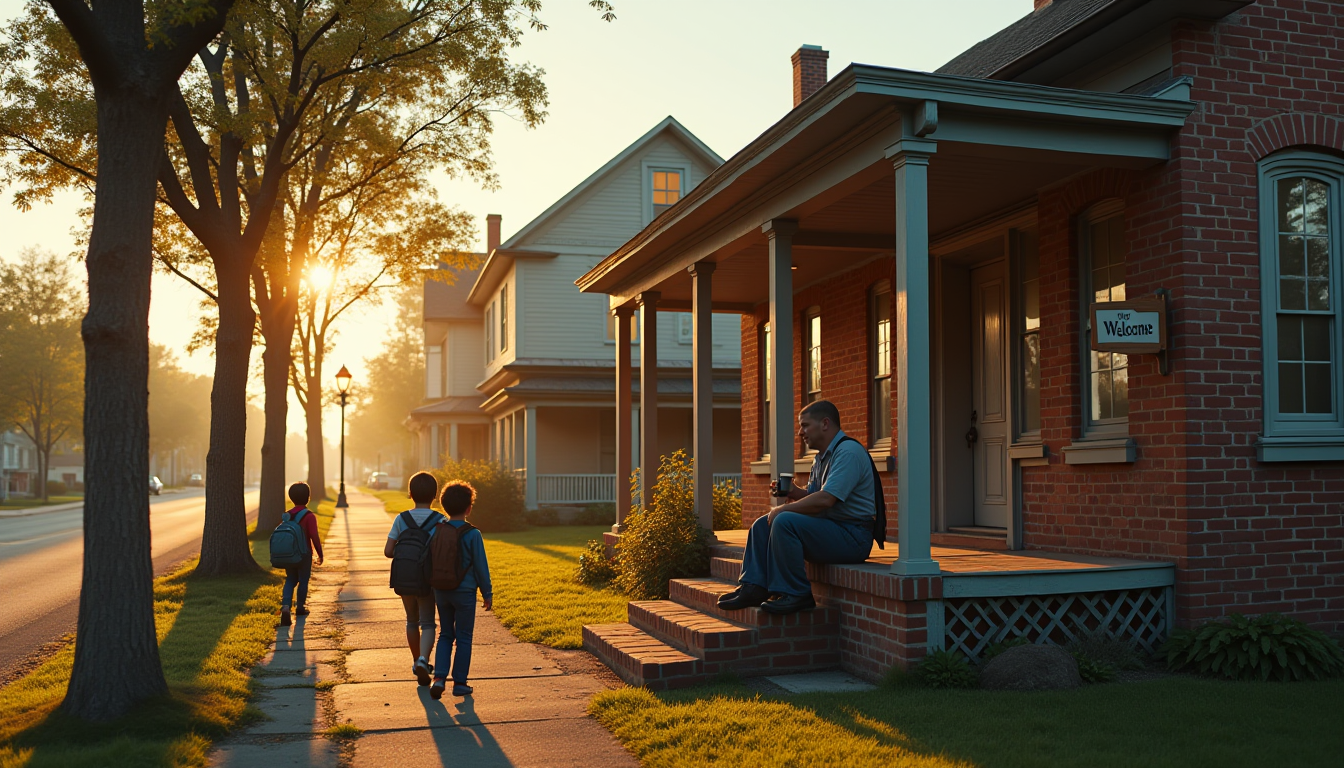
In the past few years, the county’s local newspaper reduced its print schedule, and the nearest FM tower began broadcasting only regional news. That left a gap that the community center could feel in the hallway conversations, at the farmer’s market, and even in the school cafeteria. Residents were craving a place where they could hear hyper‑local weather alerts, farm‑gate prices, and the next town hall meeting—all in real time.
Our leadership team realized that a radio outlet could be the most affordable bridge between generations. Seniors could call in to share stories, high‑school students could promote their sports games, and local artisans could announce upcoming fairs. The idea was simple: give the county a shared audio identity without the massive overhead of a full‑blown terrestrial station.
When we started sketching the plan, three goals kept popping up: reach the isolated homesteads that lack broadband, create a low‑cost outreach channel for emergency alerts, and foster a sense of belonging that makes people say, “That’s my station.” Those goals became the backbone of the radio station success roadmap.
- Technical setup
- Content planning
- Audience outreach
- Funding
Share your answer in the comments!
By answering those questions early, the center could allocate its modest budget to the most critical pieces—equipment, training, and a reliable streaming partner. The next step was finding a platform that understood small‑market broadcasters and could deliver radio station success without demanding a full IT department.

Why LoovaCast Was the Perfect Fit
LoovaCast’s all‑in‑one dashboard gave us the confidence to skip a jumble of separate tools. We could schedule shows, stream live, and pull analytics from the same screen. That single pane of glass meant we didn’t have to train volunteers on three different systems—something that often derails radio station success in rural projects.
The pay‑as‑you‑go model matched the center’s cash‑flow. Instead of a big upfront hardware purchase, we paid a modest monthly fee that covered bandwidth, storage, and the auto‑scheduler. When a new sponsor signed on, we simply upgraded the plan. This elasticity kept the finances transparent and avoided the dreaded “budget overrun” that many community stations face.
Perhaps the most comforting part was LoovaCast’s 24/7 support. Whenever a volunteer’s laptop froze during a live interview, a real person answered the call within minutes. The support team knows the quirks of small‑market broadcasting—like the need for a backup internet source during a storm—so they could suggest practical workarounds that kept us on air.
All of these factors turned the abstract idea of a community radio into a concrete plan. The combination of low cost, simple tech, and hands‑on support gave us the confidence that radio station success was not a distant dream but an achievable milestone within months.
Building the Studio in Six Weeks
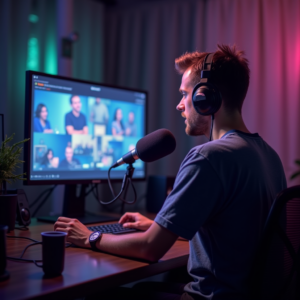
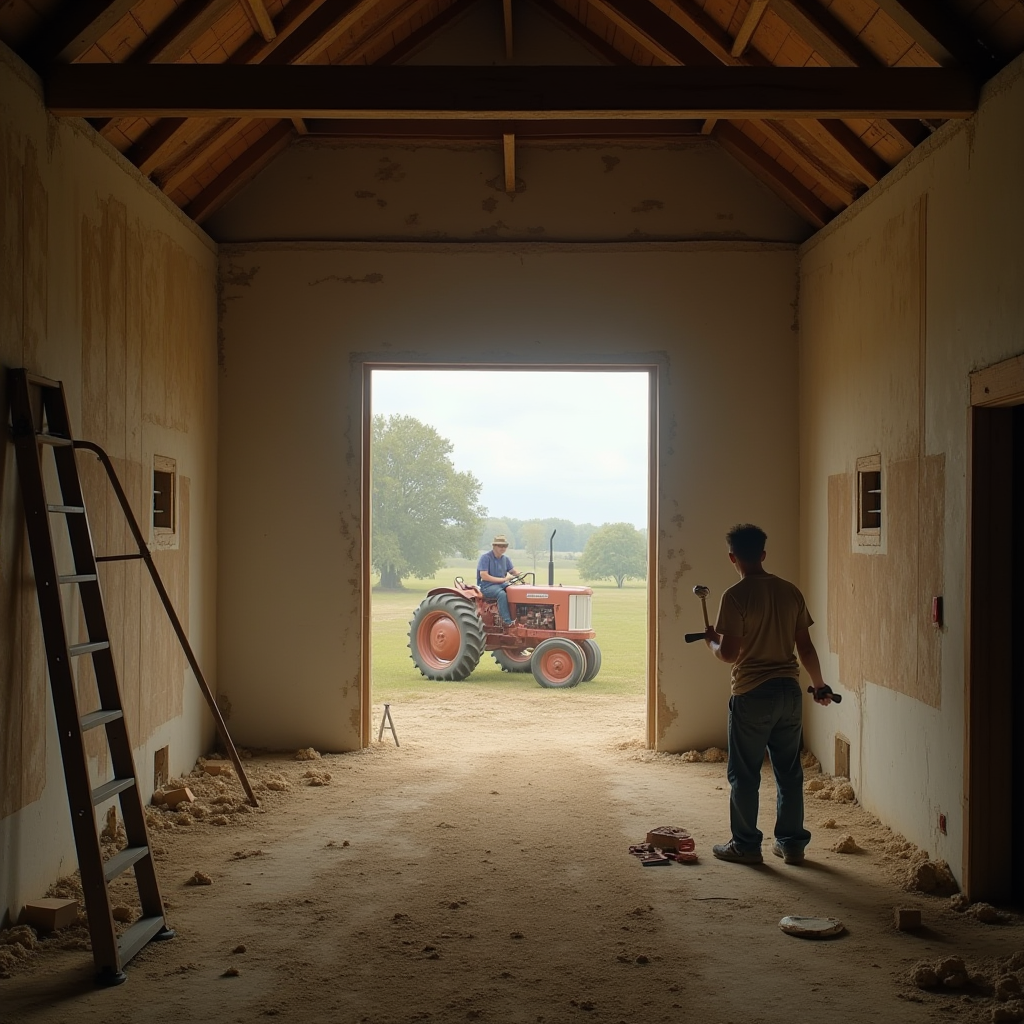
The first physical hurdle was turning a dusty storage shed into a sound‑treated broadcast room. We chose a room on the second floor of the community center that was already insulated from street noise. Volunteers cleared out old shelves, painted the walls a calming teal, and installed acoustic panels made from recycled denim.
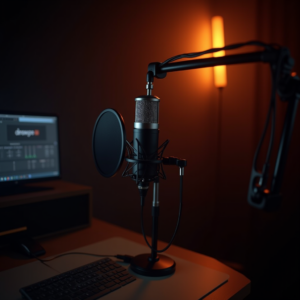
Our equipment list was intentionally lean: a USB‑compatible mixer, two dynamic microphones, a laptop with LoovaCast’s web player, and a modest headset. The USB mic eliminated the need for a separate audio interface, which simplified the signal chain and reduced potential points of failure.
Training sessions were held twice a week. We started with the fundamentals—mic technique, cueing, and basic editing. Then we moved to live‑broadcast drills, where volunteers practiced taking calls, reading from a teleprompter, and handling unexpected interruptions (like a neighbor’s dog barking).
- ☑ Choose a quiet room
- ☑ Install acoustic treatment
- ☑ Set up mixer and mic
- ☑ Test stream on LoovaCast
- ☑ Train volunteers
Within six weeks, the studio was no longer a makeshift space—it became a hub where locals felt comfortable sharing their voice. The simple, reliable setup meant that even volunteers with a basic tech background could launch a live show with confidence, a key ingredient in achieving radio station success.

The Launch Day: From Test Signal to Live Show
Launch day arrived on a crisp Saturday evening. We invited the whole town to the community hall for a celebration that doubled as our first live broadcast. The agenda included a welcome address from the center director, a short interview with the mayor about upcoming road improvements, and a live performance by the high‑school marching band.
Our test signal had been running for weeks, but the moment the first listener logged in, the room buzzed with excitement. Within the first hour, the LoovaCast dashboard showed 150 concurrent listeners—far beyond the modest expectations of a rural project.
Social media teasers posted earlier that day turned into real‑time engagement. Residents who couldn’t attend the hall tuned in via their phones, and many shouted “We’re listening!” from their porches. The live chat feature let callers request a song or ask about the next farmer’s market, turning the broadcast into a two‑way conversation.
This electric atmosphere proved that community radio can be a catalyst for civic pride. The launch was not just a technical milestone; it was a social one that cemented the station’s place in the county’s daily rhythm, setting the stage for long‑term radio station success.

Measuring Success: Numbers That Matter
Three months after launch, the analytics painted a clear picture of growth. Weekly unique listeners climbed from 150 to over 2,000, with a steady core of 800 returning listeners each day. Peaks aligned perfectly with community events: a live broadcast of the high‑school basketball championship drew a 30‑minute spike, and a special “Harvest Market” segment attracted listeners from neighboring counties.
Local businesses took notice. A family‑run feed store purchased a weekly 30‑second ad slot, and a regional dentist offered a “health corner” segment that aired every Wednesday. These sponsorships generated a modest but reliable revenue stream, allowing the center to reinvest in better equipment and occasional guest speakers.
LoovaCast’s geographic map showed that while most listeners were within a 30‑mile radius, a surprising 12% tuned in from the state capital—expats who had moved away but still wanted a taste of home. This insight guided us to create a “Homeward Bound” podcast series, further expanding our reach.
“Seeing the listener count rise week after week proved that we weren’t just broadcasting; we were building a community.” – Volunteer Program Coordinator
These data points confirmed that the combination of hyper‑local content, reliable streaming, and community involvement was the formula behind our radio station success. The numbers gave us confidence to plan the next phase: expanding programming and exploring additional monetization options.
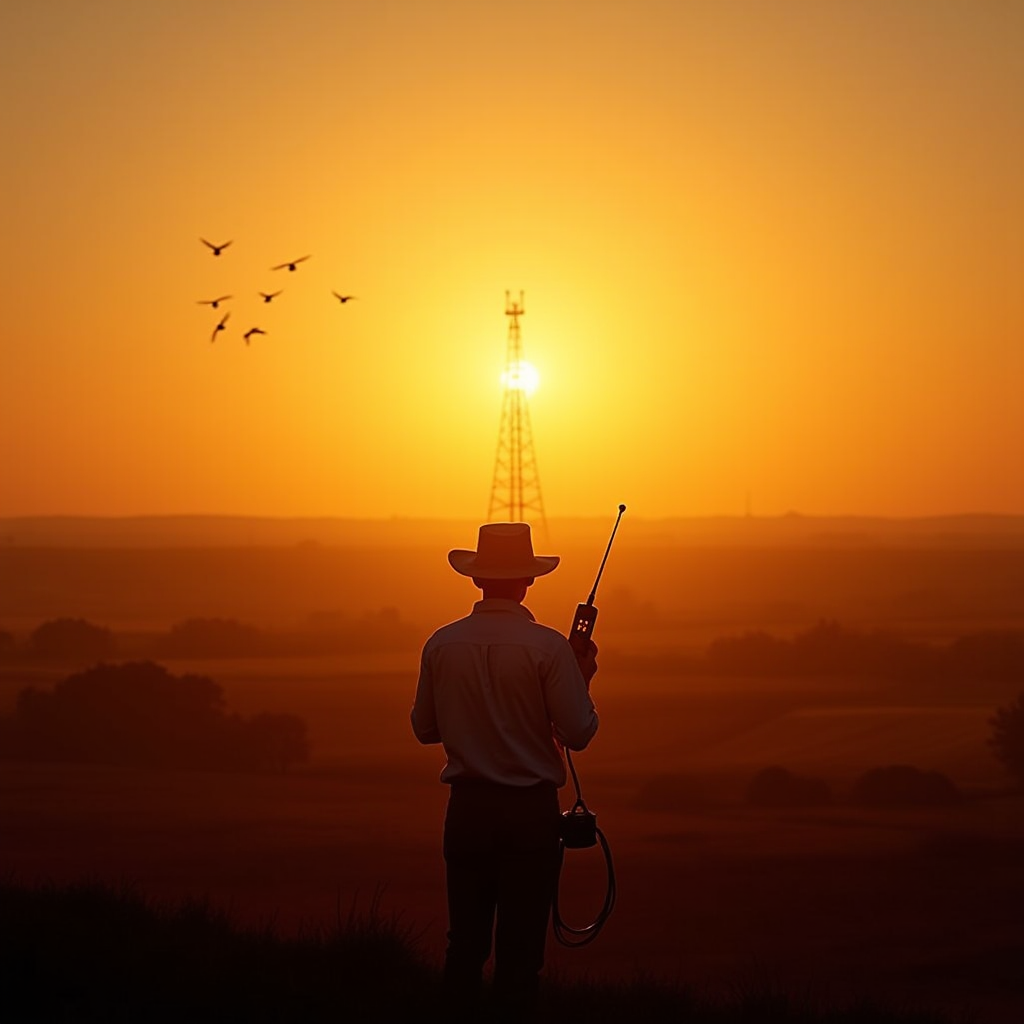
Takeaways for Your Rural Station
First, start small. You don’t need a massive studio to make an impact. A modest room, a couple of mics, and a platform like LoovaCast can get you on air within weeks. Focus on content that only you can provide—local weather alerts, school sports updates, and farmer market notices.
Second, let the community shape the schedule. Invite volunteers to pitch show ideas, run short pilot episodes, and let listeners vote on what stays. When people feel ownership, they become promoters, and that organic word‑of‑mouth is priceless for radio station success.
Third, use LoovaCast’s automation tools. The auto‑scheduler fills dead‑air gaps, analytics point out peak listening times, and the built‑in ad manager helps you monetize without a separate sales team. Treat the platform as a partner, not just a host.
Finally, keep training and celebrating volunteers. Host quarterly “Radio Appreciation” nights, share listener statistics, and provide small incentives like coffee vouchers. A motivated team keeps the station alive long after the excitement of launch fades.
By following these steps, you’ll be well on your way to replicating the radio station success story we just told—turning a humble community center into the voice of an entire county.
Ready to launch your station? Get started with LoovaCast — your radio, your way.