Know Your Worth: Define the Value You Offer Sponsors
Before you can monetize radio station assets, you have to know exactly what makes your signal special. Take a step back and write down the vibe that listeners feel when they tune in—whether it’s the late‑night indie mix, the high‑energy dance hour, or the community‑focused talk shows. This vibe is your brand personality, and it’s the first hook for any advertiser.
Next, translate that vibe into business outcomes. If your audience stays tuned for an average of 45 minutes, that’s a deep level of engagement that can drive higher recall for a sponsor’s message. Pair listener loyalty with concrete metrics like average CPM, conversion rates from past promos, or even social‑media click‑throughs. Numbers give sponsors confidence that their dollars will work.
Finally, craft a concise value statement that speaks directly to a brand’s goals. Something like, “We deliver a dedicated 25‑to‑34‑year‑old urban audience that spends 3 hours daily on music discovery, translating into a 2.5× higher purchase intent for lifestyle brands.” Keep it punchy, keep it relevant, and you’ll have a solid foundation for the rest of the pitch deck.

Audience Deep Dive: Collect the Data That Sells
Data is the language sponsors understand. Start with your streaming analytics—total plays, unique listeners, average session length, and peak‑time spikes. LoovaCast’s dashboard makes it easy to export CSV files for any date range, so you can spot patterns like “Friday evenings surge 30% when we spin new releases.”
Layer demographic surveys on top of raw numbers. Ask your listeners about age, income, music preferences, and buying habits. Combine this with social‑media insights—Instagram story views, TikTok engagement, and Discord community activity. The result is a 360° portrait that shows a sponsor not just who is listening, but how they behave.
Now turn those raw figures into stories. Instead of saying “10,000 listeners,” say “10,000 engaged listeners who spend an average of 2 hours each week discovering new tracks, with 68% reporting they purchase music‑related merchandise after hearing a brand mention.” Storytelling makes the data memorable and actionable.
Pitch Deck Blueprint: Slide‑by‑Slide Blueprint
The deck is your sales script in visual form. Begin with a bold hook: a headline that captures attention (“Your Brand Meets 30,000 Music‑Loving Millennials”) paired with a striking image of your studio or a live event. This sets the tone and convinces the reader they’re looking at something professional.
Follow with the audience data you gathered. Use clean charts, color‑coded demographics, and short bullet points that reinforce the story you told earlier. Remember: each slide should answer “What’s in it for the sponsor?” before you even ask for a commitment.
Next, present tiered sponsorship packages (more on that later). Show deliverables, timelines, and pricing in a table that’s easy to scan. End with a compelling case study—real numbers from a past sponsor who saw a 45% lift in website traffic after a month of on‑air spots. Finally, close with a crystal‑clear call‑to‑action: a phone number, email, and a link to schedule a live walkthrough.

Design That Converts: Visuals, Branding, and Storytelling
Your station’s visual identity should breathe through every slide. Pull your logo, primary colors, and typefaces from your existing brand guide and apply them consistently. This not only looks polished, it reinforces brand recall for sponsors who will see the same look across ads, social posts, and on‑air mentions.
Choose high‑resolution images that reflect the lifestyle of your listeners. If you run an indie‑rock channel, showcase concert crowds, vinyl collections, and street art. For a chill‑out lounge vibe, use cozy coffee‑shop scenes, sunrise over the ocean, and soft‑focus portraits. Visual relevance makes the deck feel personal rather than generic.
Keep text to a minimum. A rule of thumb: no more than six words per bullet and no more than three bullets per slide. Let charts, icons, and photos do the heavy lifting. When you need to explain a concept, use a short
“Did you know? 68% of our listeners purchase products they hear about on air.”
to add a conversational tone.

Sponsorship Packages & Pricing: Build Irresistible Offers
Tiered packages give sponsors flexibility and let you upsell later. Start with a “Brand‑Boost” level—30‑second spots aired during peak hours, plus a weekly social shoutout. Next, a “Show‑Sponsor” tier where a brand partners with a specific program, receiving a custom intro, host read, and a branded segment. Finally, an “Event‑Partner” tier that includes live‑event mentions, backstage interviews, and exclusive ticket giveaways.
Pricing should be anchored to CPM (cost per mille) but also reflect ad length, frequency, and exclusivity. For example, a 30‑second spot at 5,000 CPM during prime time might be $250 per run, while a full‑day takeover could command a premium of $2,500. Always leave wiggle room for negotiation—most sponsors expect a discount for multi‑month commitments.
Sweeten each tier with bonus incentives. A social‑media story that tags the sponsor, a behind‑the‑scenes video, or a giveaway code can tip the scales in your favor. These add‑ons cost little but increase perceived value dramatically.
- A) Brand‑Boost (30‑sec spots)
- B) Show‑Sponsor (weekly segment)
- C) Event‑Partner (live event)
- D) All‑Access (full‑day takeover)
Share your answer in the comments!

Outreach Playbook: From Cold Email to Closing the Deal
Cold outreach works when you personalize every touch. Start with a subject line that references the prospect’s recent campaign (“Loved your summer sneaker launch – here’s a music‑focused twist”). In the body, briefly introduce your station, highlight the audience match, and attach a one‑pager of your pitch deck.
Follow up within 48 hours with a short phone call or video chat. Use screen‑share to walk the sponsor through the deck, emphasizing the data points that matter most to them. Answer questions in real time and be ready to adjust package details on the spot.
When interest turns into intent, send a simple contract template that outlines deliverables, timelines, payment terms, and cancellation policy. Keep the language plain—no lawyer‑speak that scares small businesses. After signatures, set clear dates for ad delivery and share a tracking link so sponsors can monitor impressions and clicks.
Finally, always close the loop with a thank‑you email that includes a performance snapshot after the first run. Showing ROI early builds trust and opens the door for renewals.
30‑Day Action Checklist: Launch Your Monetization Engine
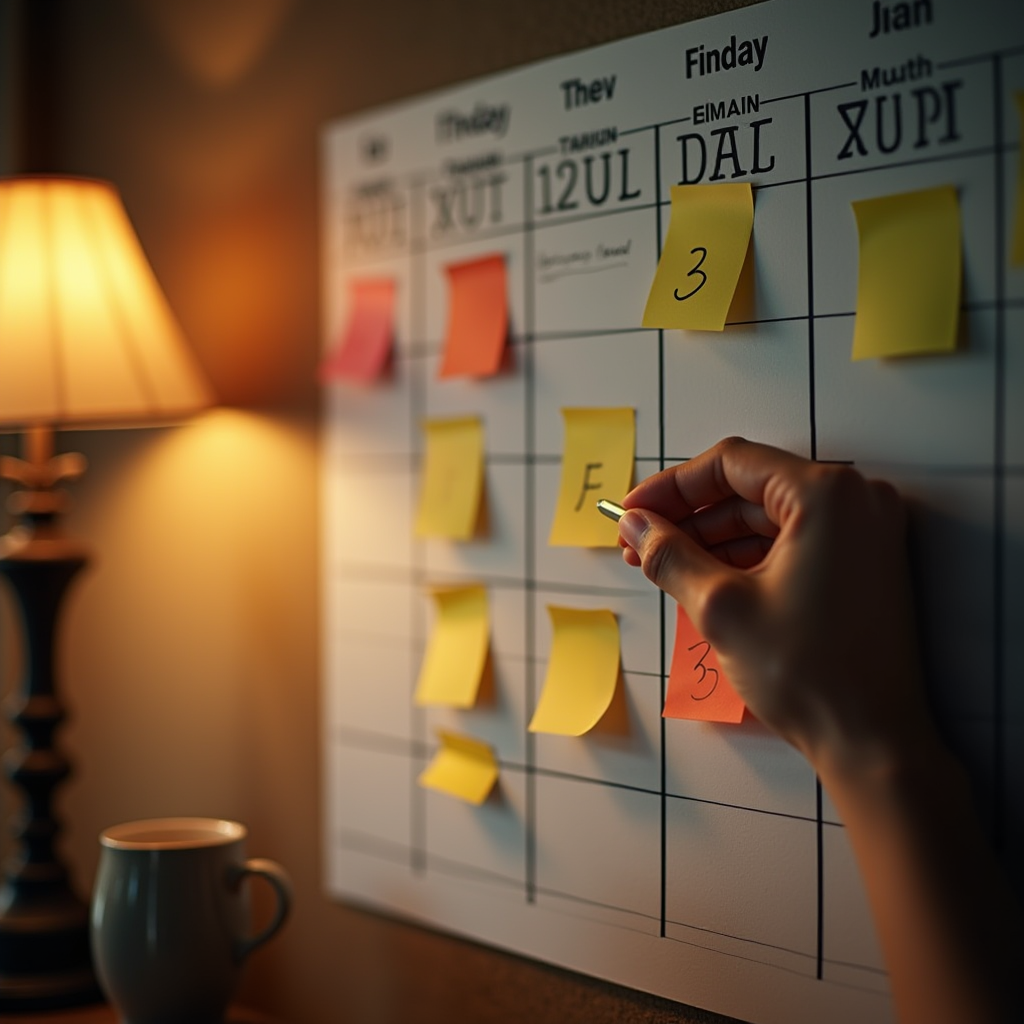
Turning strategy into results needs a concrete timeline. Break the month into four focused weeks, and treat each milestone as non‑negotiable. This keeps momentum high and prevents the “analysis paralysis” trap that many broadcasters fall into when trying to monetize radio station efforts.
Week 1 is all about data and positioning. Verify every listener metric, clean up any gaps, and finalize a razor‑sharp value statement. Week 2 is creative—design each slide, get feedback from a peer, and lock in the visual style. Week 3 shifts to business: build tiered packages, set pricing, and start the outreach sprint. Week 4 is execution—close deals, schedule ad spots, and monitor the first‑run performance to prove the concept.
- ☑ Gather and verify all listener analytics.
- ☐ Write a compelling value statement.
- ☐ Design each slide of the deck.
- ☐ Create three sponsorship tier packages.
- ☐ Draft a personalized outreach email.
- ☐ Send pitches to at least 10 prospects.
- ☐ Follow up within 48 hours of each email.
- ☐ Negotiate terms and sign contracts.
- ☐ Schedule the first ad slots.
- ☐ Monitor performance and report results.
Stick to this roadmap, celebrate each win, and you’ll have a steady flow of sponsor revenue before the month is out. The key is consistency—once you see the first paycheck, you’ll be motivated to scale the process and keep the cash coming.
Ready to launch your station? Get started with LoovaCast — your radio, your way.