The Starting Point: Community Center’s Vision
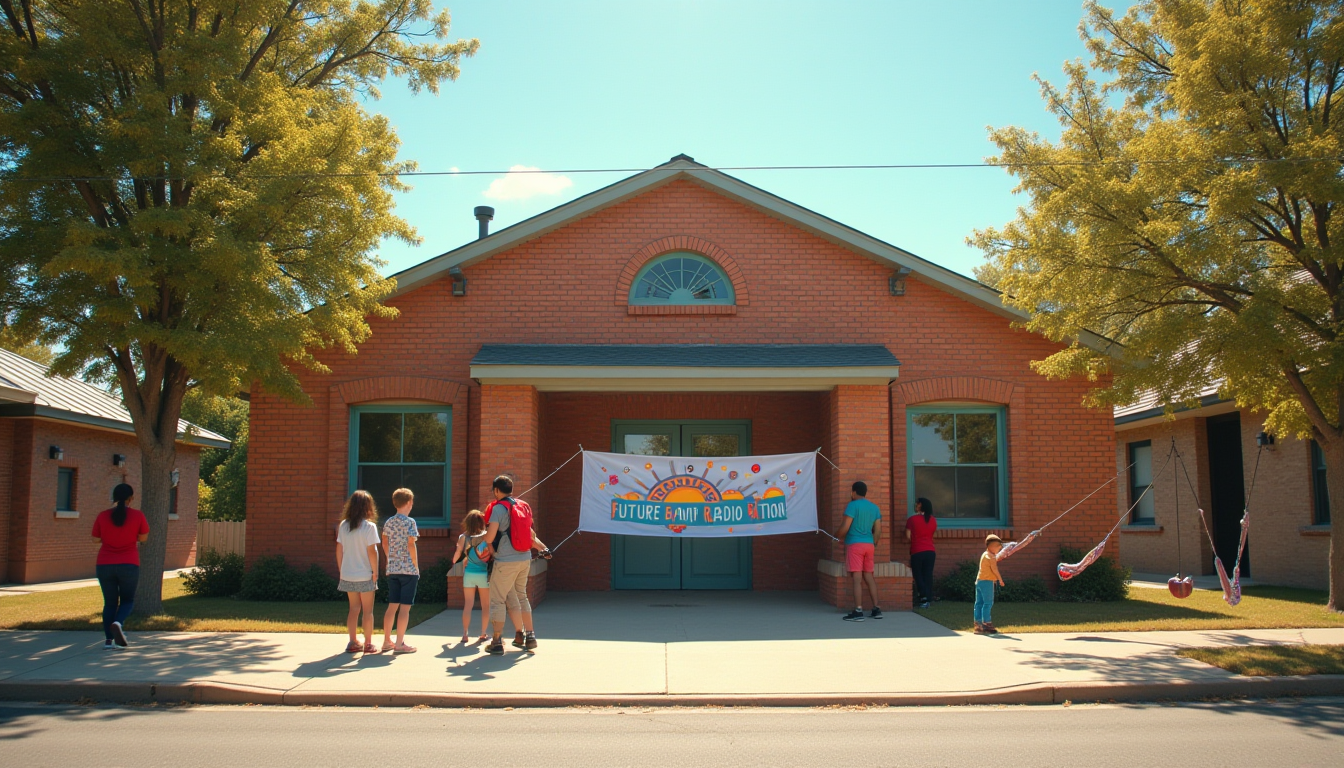
Every thriving radio station success story begins with a clear purpose, and the Riverside Neighborhood Community Center was no different. Residents had long complained that there was no single place to hear local news, school updates, or the music that actually reflects the neighborhood’s eclectic taste. The center’s board decided to fill that void by creating a shared voice that could unite families, teens, and local business owners under one dial.
They set a bold, yet reachable goal: attract 5,000 listeners within the first year while also becoming the go‑to promoter for community events. By defining measurable targets early, they gave volunteers a concrete benchmark to rally around. The target audience was deliberately broad—parents looking for school announcements, teenagers craving a platform for their playlists, and owners of corner cafés hoping for a free advertising channel.
From the outset, the vision was not just about broadcasting; it was about building a hub where civic pride could be heard and felt. The board drafted a simple mission statement: “To amplify local stories, support neighborhood businesses, and celebrate the diverse culture that makes our community unique.” That statement became the north star guiding every subsequent decision, from equipment purchases to partnership outreach.
Setting Up the LoovaCast Station: Technical Foundations
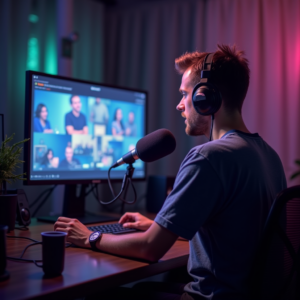
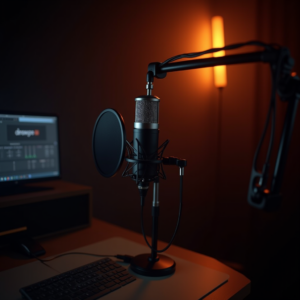
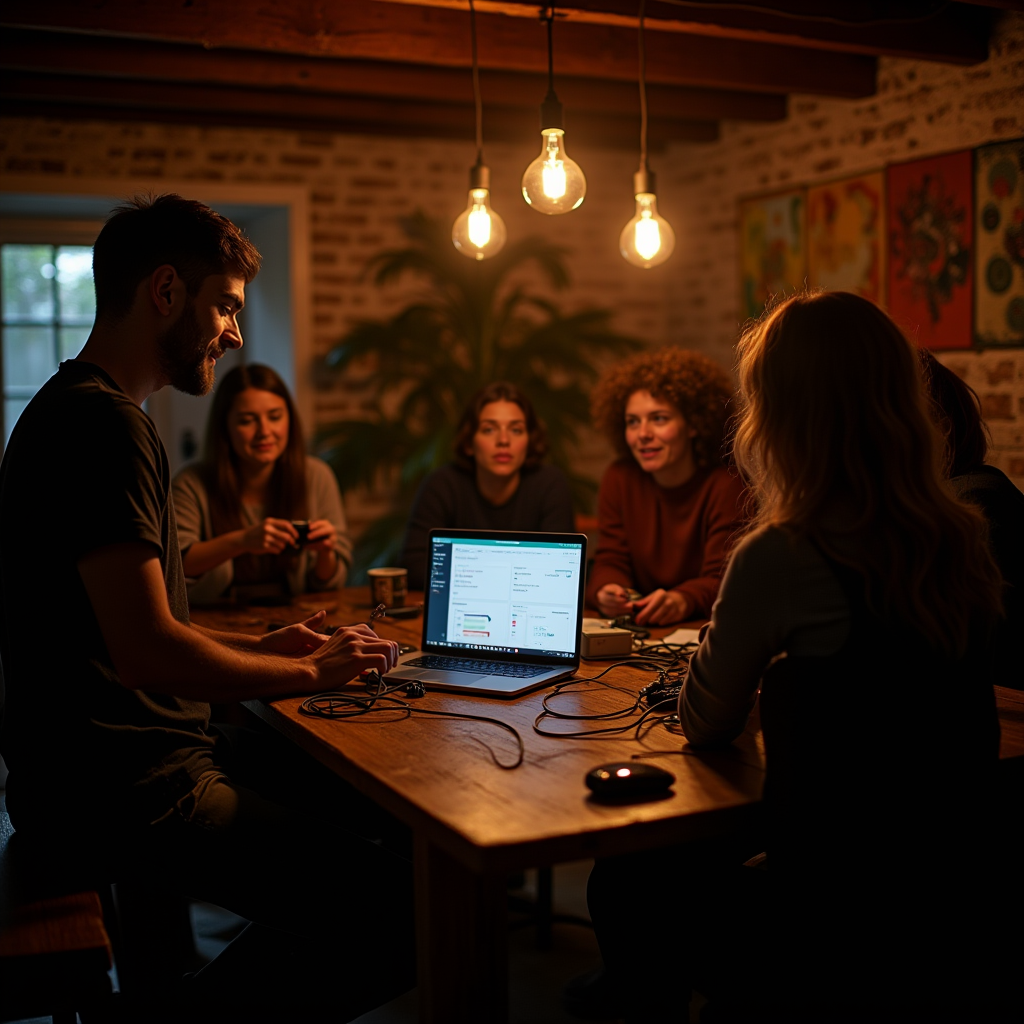
Choosing the right gear is the first practical step toward radio station success. The team kept the budget tight by opting for a USB mixer, a durable dynamic microphone, and a laptop that already ran the LoovaCast web dashboard. This combination cost under $300 but delivered crystal‑clear audio and reliable streaming.
Configuration was surprisingly straightforward. After signing up for a LoovaCast account, they generated a unique streaming key and entered it into the mixer’s software. A quick latency test in the quiet basement studio confirmed a sub‑second delay—perfect for live interviews. Volunteers then attended a short training session covering cueing, real‑time monitoring, and emergency shutdown procedures, ensuring that anyone could step behind the mic with confidence.
To keep the learning curve gentle, the team created a one‑page cheat sheet with screenshots of the dashboard, key shortcuts, and troubleshooting tips. This resource lives on the center’s shared Google Drive, so new volunteers can access it anytime. The result? A technically sound foundation that lets the creative side of broadcasting shine without constant technical hiccups.
- Equipment costs
- Technical know‑how
- Content planning
- Audience building
Share your answer in the comments!
Building Local Partnerships: The Power of Collaboration
Partnerships turned the station from a hobby project into a community staple. The first outreach was to nearby schools, where teachers welcomed student‑run shows and music showcases. Not only did this give teens a real‑world broadcasting experience, it also injected fresh, youthful energy into the programming schedule.
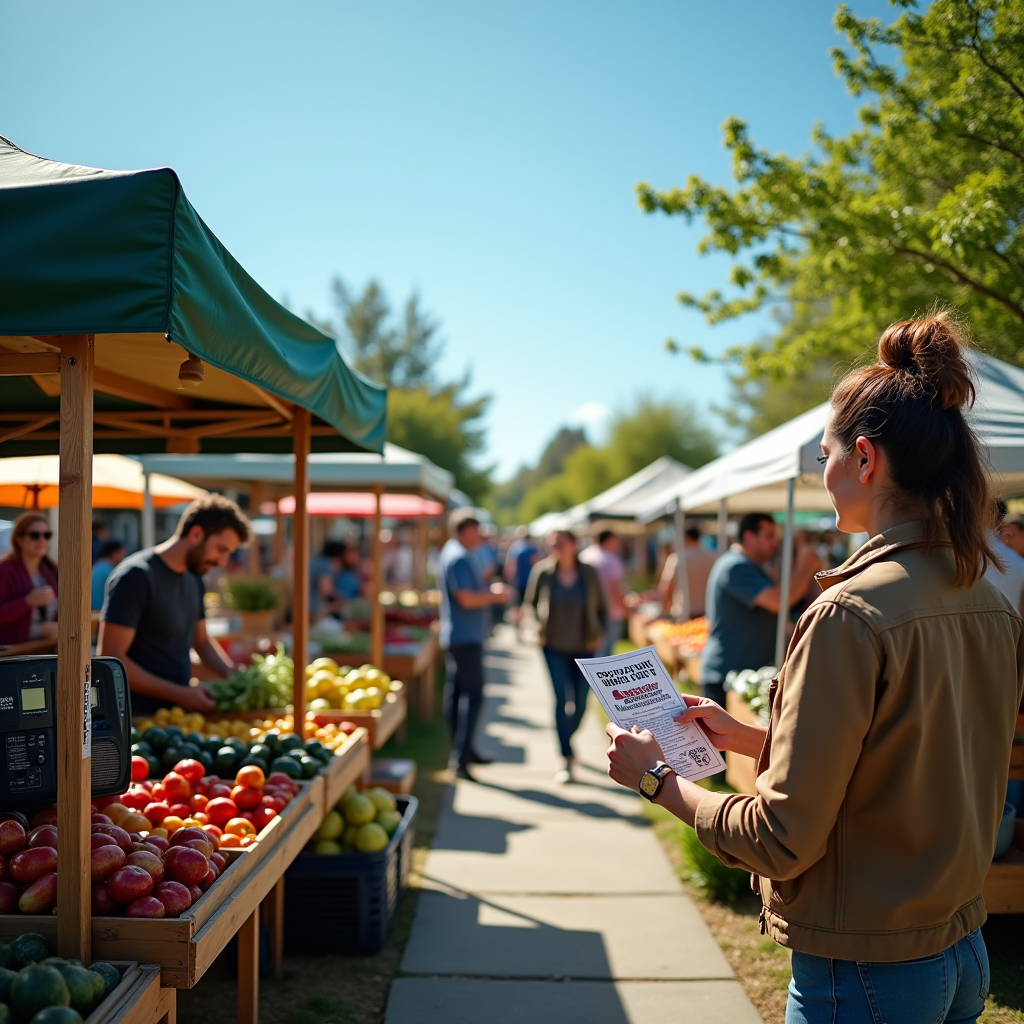
Next, the team approached local cafés, boutiques, and the town’s farmer’s market. Each business agreed to sponsor an hourly slot in exchange for on‑air shout‑outs and a small logo display on the station’s website. This barter system kept operating costs low while giving partners a tangible marketing benefit. The farmer’s market collaboration was especially effective: live interviews with vendors were broadcast from the market itself, drawing shoppers directly to the station’s online stream.
These collaborations created a virtuous cycle—more partners meant richer content, which attracted more listeners, which in turn made the partnership slots more valuable. By the end of month three, the station had secured ten regular sponsors, each contributing a modest fee that covered streaming bandwidth and occasional equipment upgrades.
Programming Strategy that Resonated: Content that Clicked
Content is the heart of any radio station success story, and the community center’s schedule was built around local relevance. Each week, they blended indie tracks from neighborhood musicians with a “Neighborhood News” segment that covered school board meetings, park clean‑ups, and local sports scores. This mix kept listeners tuned in for both entertainment and information.
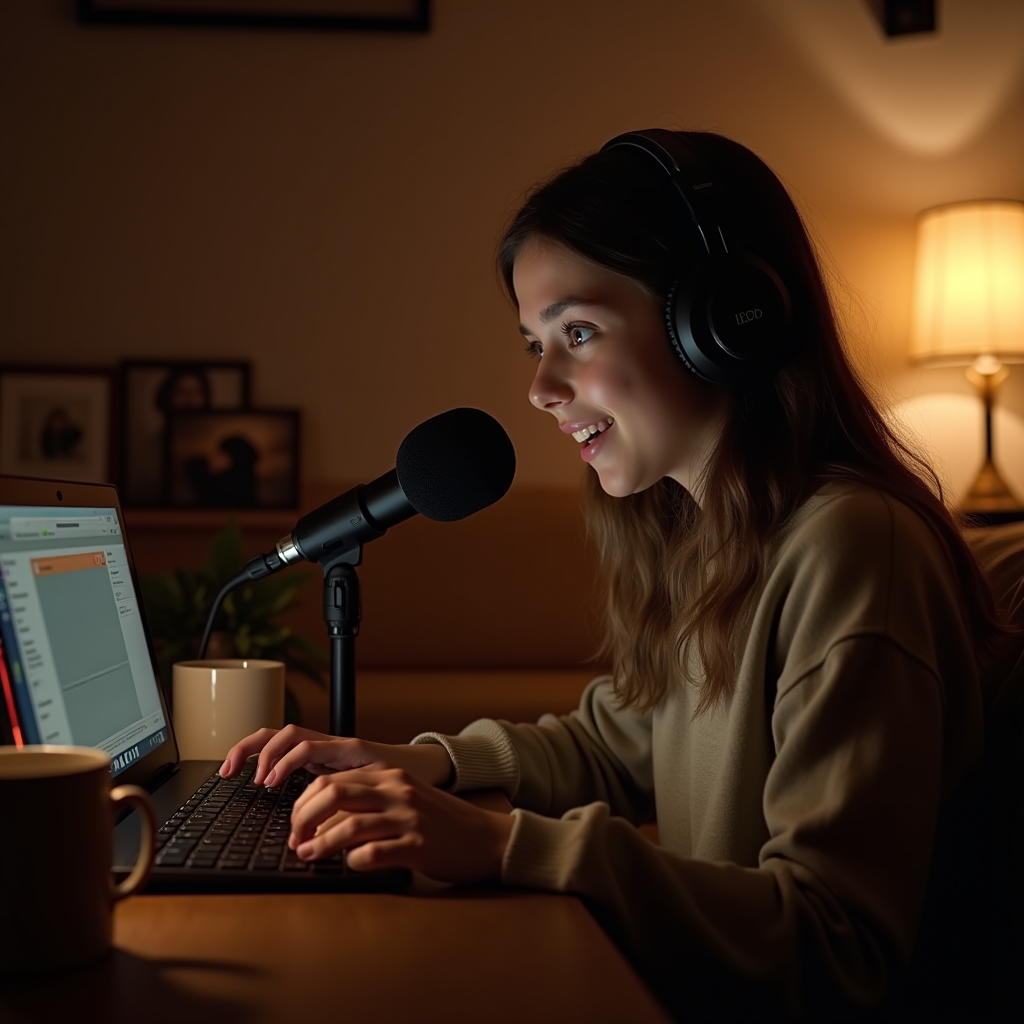
A standout addition was a teen‑hosted podcast titled “After‑School Buzz,” where high school students discussed homework tips, upcoming concerts, and youth‑focused community projects. The podcast quickly became a favorite among the 12‑18 age group, driving a noticeable spike in afternoon listenership.
Friday evenings were reserved for live call‑ins, encouraging residents to voice opinions on city planning, share birthday shout‑outs, or request songs. The interactive element fostered a sense of ownership; listeners felt they were part of a conversation, not just passive recipients. Over time, the call‑in segment evolved into a mini‑town‑hall, reinforcing the station’s role as a civic hub.
- ☑ Map out weekly time blocks
- ☑ Assign a host for each block
- ☐ Pre‑record filler music
- ☐ Schedule a live‑call segment
- ☐ Review analytics every Monday

Growth Metrics & Milestones: From Zero to 7,500 Listeners
Tracking data is essential for any radio station success narrative. Using LoovaCast’s built‑in analytics, the team monitored unique weekly listeners, average listening time, and peak‑hour spikes. Early on, they noticed that the “Neighborhood News” segment drove the highest average listening time, while the teen podcast excelled in unique listener count.
Milestones were celebrated publicly to keep momentum alive. At 1,000 listeners (Month 2), the center hosted a free outdoor concert, announcing the achievement on air and on social media. By Month 5, the audience grew to 3,500, prompting a partnership with the local library for a “Storytime Live” series. The biggest jump came at Month 9, when the station hit 7,500 weekly listeners—a number that exceeded the original goal by 50 %.
Listener feedback was gathered through monthly surveys that asked about favorite segments, desired topics, and technical quality. The insights led to subtle yet impactful tweaks, such as extending the call‑in window and adding a “Local Business Spotlight” segment on Wednesdays. This data‑driven approach kept the programming fresh and ensured the station continued to meet community needs.

Lessons Learned & Actionable Checklist for Your Station
The Riverside story teaches several universal lessons for anyone chasing radio station success. First, consistent community outreach trumps big‑budget advertising for hyper‑local stations. Personal visits, flyers, and face‑to‑face conversations built trust that no online ad could replicate.
Second, keep the technical setup simple. A reliable USB mixer and a solid internet connection outperformed a fancy studio that broke down frequently. Listeners care more about consistent sound quality than high‑end gear; reliability is the silent hero of any successful broadcast.
Third, data should drive decisions. Weekly reviews of LoovaCast analytics revealed which shows were under‑performing and which time slots needed a boost. Being ready to pivot—whether that means swapping a music hour for a local interview or adding a short news recap—kept the audience engaged and growing.
- ☑ Schedule regular outreach visits to schools and businesses
- ☑ Keep equipment list under $500 for start‑up
- ☑ Review analytics every Monday and adjust schedule
- ☑ Collect listener feedback via short surveys
- ☑ Celebrate each milestone publicly

Next Steps: How You Can Replicate This Success
If the Riverside Community Center’s journey resonates with you, the path to your own radio station success is just a few steps away. Start by signing up for a free LoovaCast trial and launch a 24‑hour stream within a day. The platform’s intuitive dashboard lets you go live without needing a full‑time engineer.
Next, map out local organizations—schools, cafés, libraries, farmers’ markets—and draft a simple partnership proposal. Emphasize mutual benefits: on‑air shout‑outs for them, fresh content for you. Offer a trial sponsorship slot and let the results speak for themselves. As you build these relationships, keep your programming flexible and data‑driven, just like Riverside did.
Remember, every great station begins with a single broadcast and a community that believes in its voice. With LoovaCast’s tools and the partnership playbook you’ve just read, you’re equipped to turn that belief into measurable growth.
Ready to launch your station? Get started with LoovaCast — your radio, your way.