The Ceiling of On-Demand: Why Podcasting Wasn’t Enough
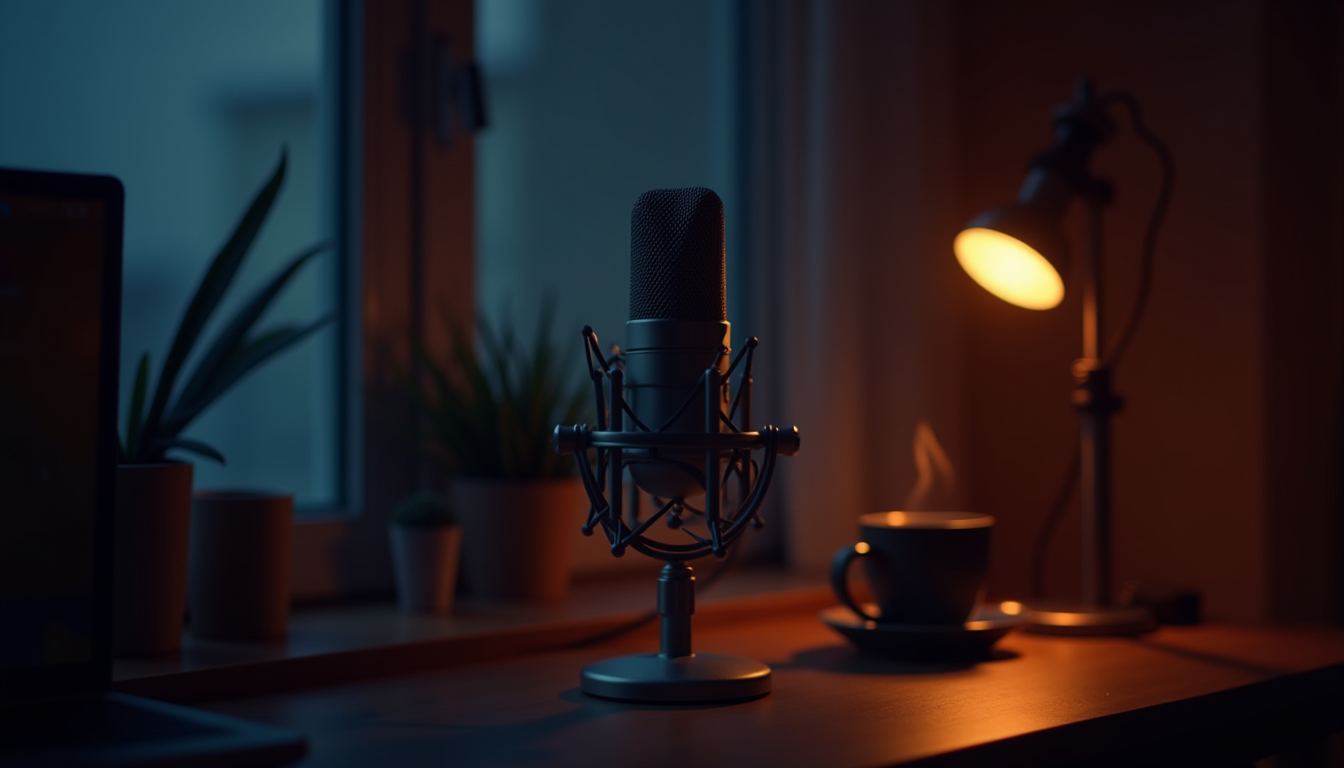
Meet Alex. A few years ago, Alex was living the dream of every aspiring digital creator. He had a podcast that was climbing the charts, a dedicated group of listeners, and a high-quality setup in his spare bedroom. On paper, he had achieved the kind of growth most people strive for. But behind the scenes, Alex felt a growing sense of isolation.
He discovered what we call the “engagement gap.” In the podcasting world, you record an episode, edit it for hours, upload it, and then wait. You check your analytics to see how many people downloaded the file, but you never actually feel the audience. It is an asynchronous relationship; you are talking into a void, and they are listening in their own time, often days after you spoke.
For Alex, this lack of immediacy started to feel like a ceiling. He wanted to know what his listeners thought right now. He wanted to react to breaking news in real-time and feel the energy of a crowd reacting to a joke or a hot take. The podcast model is great for storytelling, but it is terrible for community building in the moment.
He realized that while his downloads were high, his actual connection with the community was thin. He wasn’t building a movement; he was building a library. He craved the electric atmosphere of live radio—the kind of radio station success that comes from knowing someone is on the other end of the line, listening and reacting in real-time.
Breaking the Barrier: The Leap to a LoovaCast Station
The transition didn’t happen overnight. Alex spent months researching how to move from a recorded format to a live one. He was terrified of the technical hurdles. Most people think you need a massive FCC license or a million-dollar studio to start a station, but that is where he found us. The “Aha!” moment came when he realized LoovaCast provides the entire infrastructure needed to go live without the corporate headache.
The technical shift was surprisingly smooth. Instead of spending hours in a digital audio workstation (DAW) cutting out “umms” and “ahhs,” Alex moved to a live streaming dashboard. He went from being a “content creator”—someone who polishes a product—to a “broadcaster,” someone who manages an experience. This is a psychological shift that changes everything about how you communicate.
When you are recording a podcast, you can restart a sentence ten times until it’s perfect. In live broadcasting, the “imperfections” are where the magic happens. Alex learned to embrace the raw nature of live airwaves. He stopped worrying about the perfect take and started focusing on the perfect moment. By leveraging our tools, he could switch between music, voice-overs, and live talk with a single click, creating a professional sound that mirrored the big corporate stations but with his own unique personality.
- A) Technical setup and software
- B) Fear of dead air or making mistakes
- C) Finding an initial audience
- D) The cost of professional equipment
Share your answer in the comments!
The Secret Sauce: Leveraging Live Engagement for Growth
Once Alex had his LoovaCast station up and running, he didn’t just play music and talk. He implemented a strategy we call “Appointment Listening.” In the age of on-demand content, people have forgotten how to tune in at a specific time. Alex changed that by creating a rigid, reliable schedule. Every Tuesday at 7 PM, he hosted “The Weekly Vent,” a live call-in show where listeners could air their grievances about the industry.
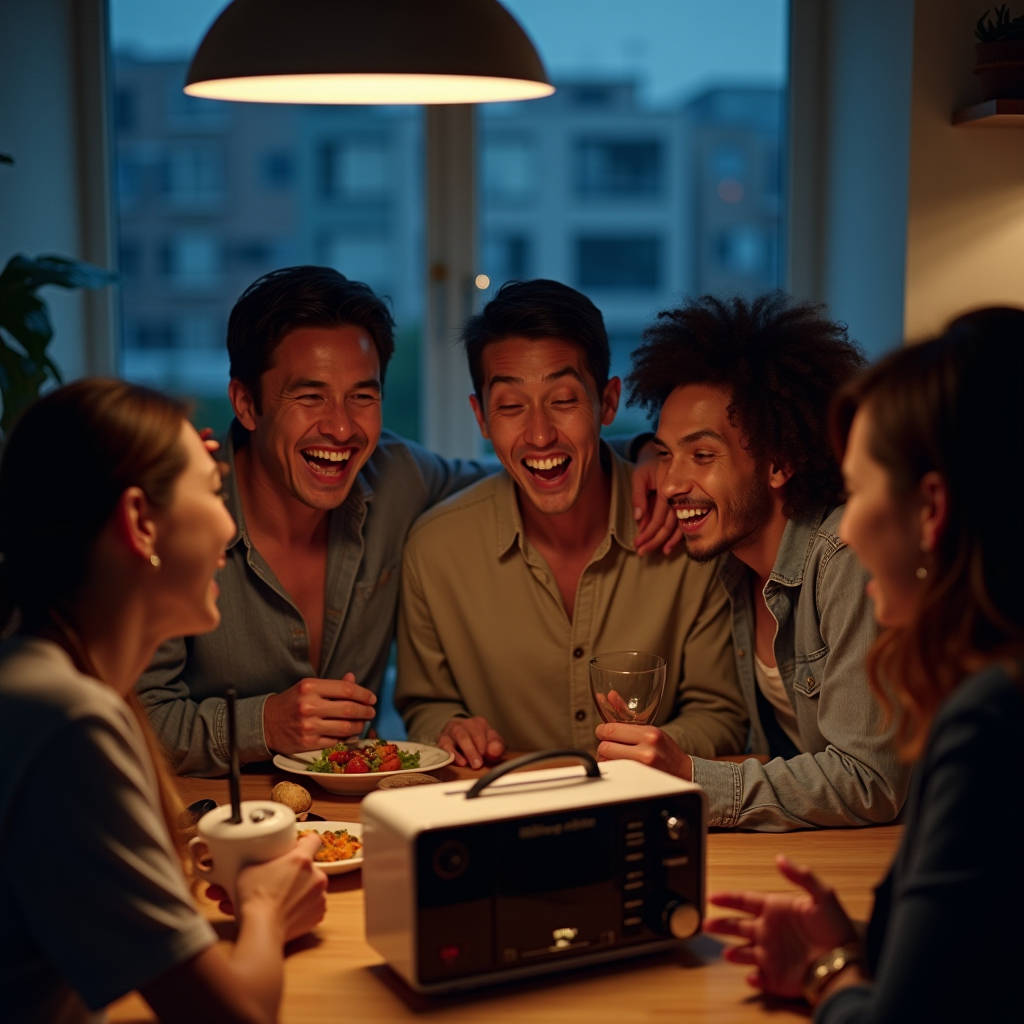
This created a “cult” following. Listeners didn’t just like his content; they organized their lives around his broadcast. By using live requests and real-time shout-outs, he made his audience feel like they were part of the show. When a listener hears their name on air or sees their song request played instantly, they develop a level of loyalty that a podcast download simply cannot replicate.
The data spoke for itself. While his podcast growth had plateaued, his LoovaCast station saw an exponential spike in unique listeners. He found that the “live” element acted as a magnet. People are drawn to the unpredictability of live radio. He began comparing his metrics and realized that while a podcast episode might get 5,000 downloads over a month, a single live event could bring in 2,000 concurrent listeners who were all engaged simultaneously.
Scaling the Reach: From Local Buzz to Global Airwaves
The most exciting part of Alex’s journey was seeing his reach expand. Because LoovaCast handles the global distribution, his station wasn’t limited to his hometown or even his country. He started noticing listeners tuning in from Tokyo, London, and Sao Paulo. This global reach turned his local buzz into an international brand.
Interestingly, the live station didn’t replace his podcast; it fueled it. He started using the live broadcasts as a “top-of-funnel” discovery tool. He would mention his archived podcast episodes during the live show, directing listeners to go back and hear the deep-dive interviews. This created a powerful ecosystem: the live station provided the energy and community, while the podcasts provided the evergreen value and depth.
He also began collaborating with other broadcasters on the platform. By doing “guest spots” on other LoovaCast stations, he was able to cross-pollinate audiences. This is the fastest way to achieve radio station success. Instead of fighting for every single listener through social media algorithms, he tapped into existing communities of audio lovers. He realized that the broadcasting community is incredibly supportive, and by lifting others up, he accelerated his own growth.
The Broadcaster’s Toolkit: How to Replicate This Success
You don’t need a degree in audio engineering to do what Alex did, but you do need a plan. The first step is defining your niche. Don’t try to be “everything for everyone.” Whether you are focusing on indie synth-wave, deep-dive political analysis, or late-night storytelling, a specific focus makes you a destination rather than just another stream.
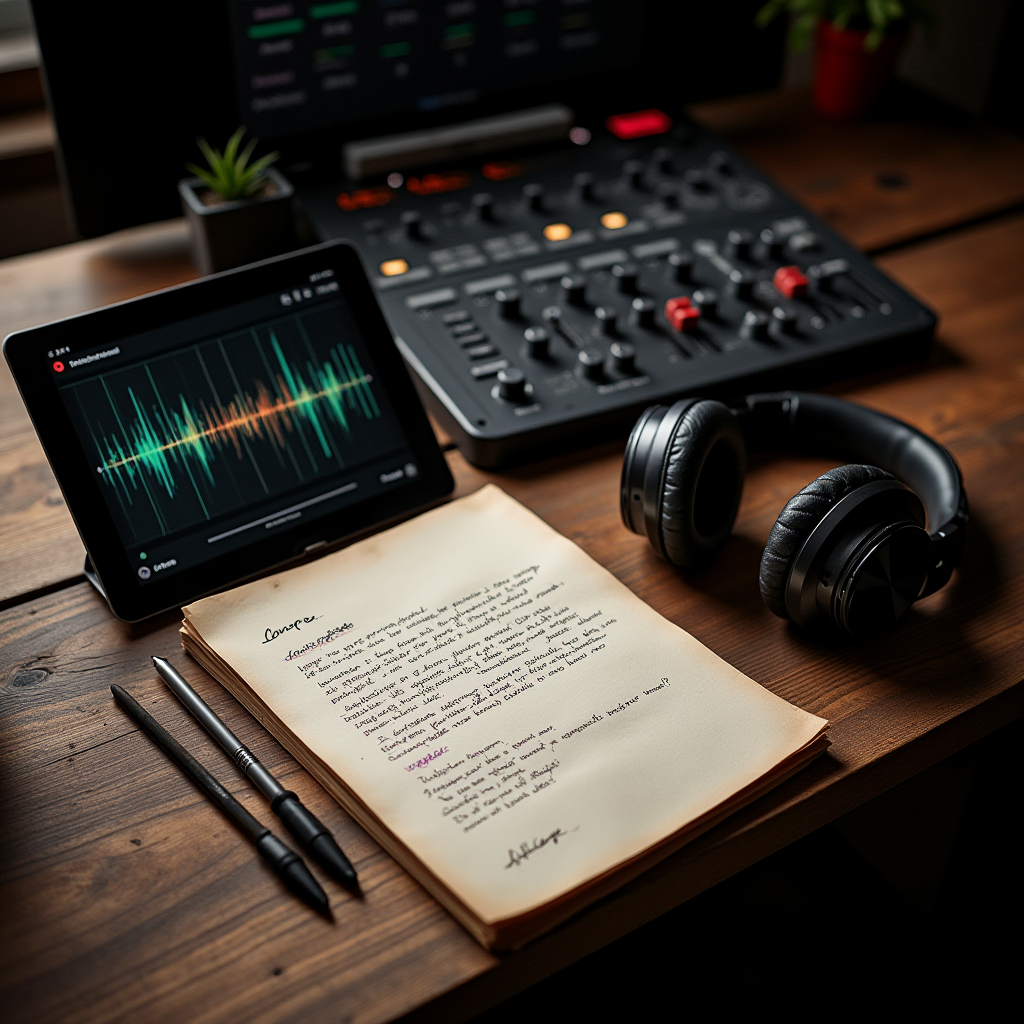
Next, focus on your gear. You don’t need to spend thousands. A decent USB condenser microphone and a pair of closed-back headphones are enough to get started. The key is audio consistency. Use a pop filter to avoid those harsh “P” sounds and treat your room with some basic foam or even heavy blankets to stop the echo. Your listeners will forgive a simple setup, but they won’t forgive audio that hurts their ears.
Finally, manage your energy. Live broadcasting is exhilarating, but it can lead to burnout if you try to be on-air 24/7. Use LoovaCast’s scheduling tools to mix live segments with curated playlists. This allows you to maintain a “live” presence even when you are sleeping or recharging. The goal is to be consistent, not exhausted.
- ☑ Define your niche and target “ideal listener”
- ☐ Set a consistent weekly “Appointment Listening” schedule
- ☐ Test your audio levels in a quiet environment to avoid clipping
- ☐ Promote your ‘Go-Live’ time 48 hours in advance on social media
- ☐ Prepare a ‘backup’ playlist for unexpected technical breaks

Beyond the Mic: The Long-Term Impact of Live Broadcasting
Looking back, Alex’s brand identity has completely evolved. He is no longer just a “guy with a podcast”; he is a broadcaster and a community leader. The confidence he gained from handling live airwaves spilled over into every other part of his professional life. There is something about the pressure of a live audience that forces you to grow and adapt faster than any other medium.
The financial shift was also significant. Live platforms open up doors that recorded podcasts often miss. Alex started incorporating live sponsorships—shout-outs for brands that fit his vibe—and integrated live donations during his “Vent” sessions. He even launched a membership tier for his most loyal listeners, giving them a say in the music played during the “Listener’s Choice” hour. This created a sustainable revenue stream that didn’t rely solely on CPM ads.
If you are still hesitant to make the jump, remember that every great broadcaster started with a shaky voice and a bit of fear. The magic of radio station success isn’t about being a perfect orator; it’s about being a real human being in a world of curated, edited content. People are starving for authenticity. They want to know that there is someone on the other side of the stream who is experiencing the moment exactly as they are.
Ready to launch your station? Get started with LoovaCast — your radio, your way.